

The Bladesinger Wizard subclass out of Heroes of Faerun gives you yet another, cooler way to make melee attacks with your mental stats.
The last of the eight new subclasses out of Heroes of Faerun is a hotly anticipated one. Bladesinger Wizards are users of a special elf magic known as bladesong that allows them to incorporate swordplay and dance along with wizardry. It is every bit as pretentious as it sounds, but it is also cool. And in game mechanics terms, this class offers up a fairly straightforward take on the Gish concept. Gish here being someone who is as much a Fighter as they are a Wizard.
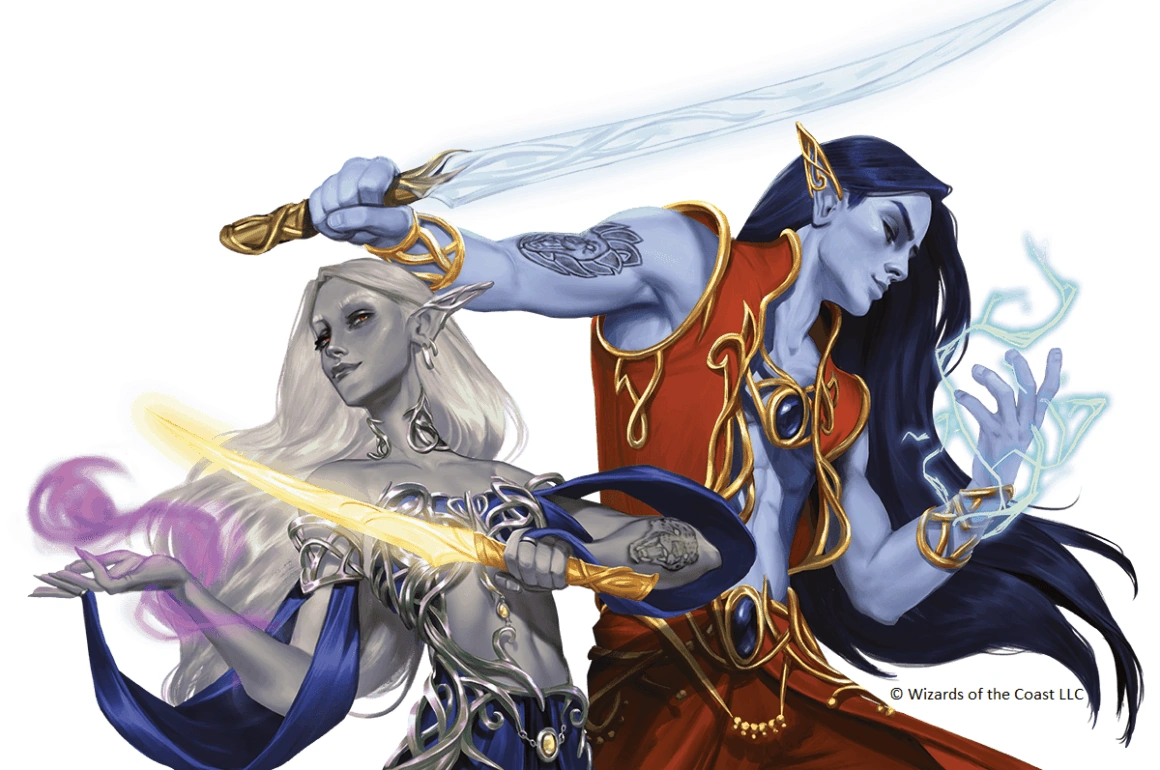
It’s a concept that dates back to the early days of D&D. The term “gish” comes from the Githyanki, who had a caste of Fighter/Wizards called gish. We love the idea of mixing swords and sorcery, literally. In the old days, you’d accomplish this via dual/multiclassing, where you’d level up as Fighter and then Wizard. But nowadays there are plenty of other ways to get in there and mix it up with magic and melee.
Fighters have the Eldritch Knight. Warlocks have the Pact of the Blade. Bards have the College of Valor – almost everyone has some flavor of this. And the Bladesinger Wizard is part of a long tradition of being able to make your melee attacks with your spellcasting stat. Honestly? A powerful move.
Bladesinger Wizards – Sword, Dance, Magic, Elves
Bladesinging, as a tradition that blends swordplay, dance, magic, and other elegant arts has been around since 2nd Edition at least. Introduced as part of the Forgotten Realms campaign setting, Bladesingers were Wizards who kept to small orders or warrior lodges to specialize in different blades and styles. It was all very elven-coded with lots of “we’re preserving an ancient, dying artform that is rare and hard to do.”
As you might imagine, the second player characters started appearing in the Forgotten Realms, there was a considerable resurgence. After all, who wouldn’t want to be a sword and spell guy? Turns out, it’s a popular idea. And what’s funny to me is the new lore reflects this. Now the art of Bladesinging has spread throughout the Realms, and the arrival of one is “a good omen.”
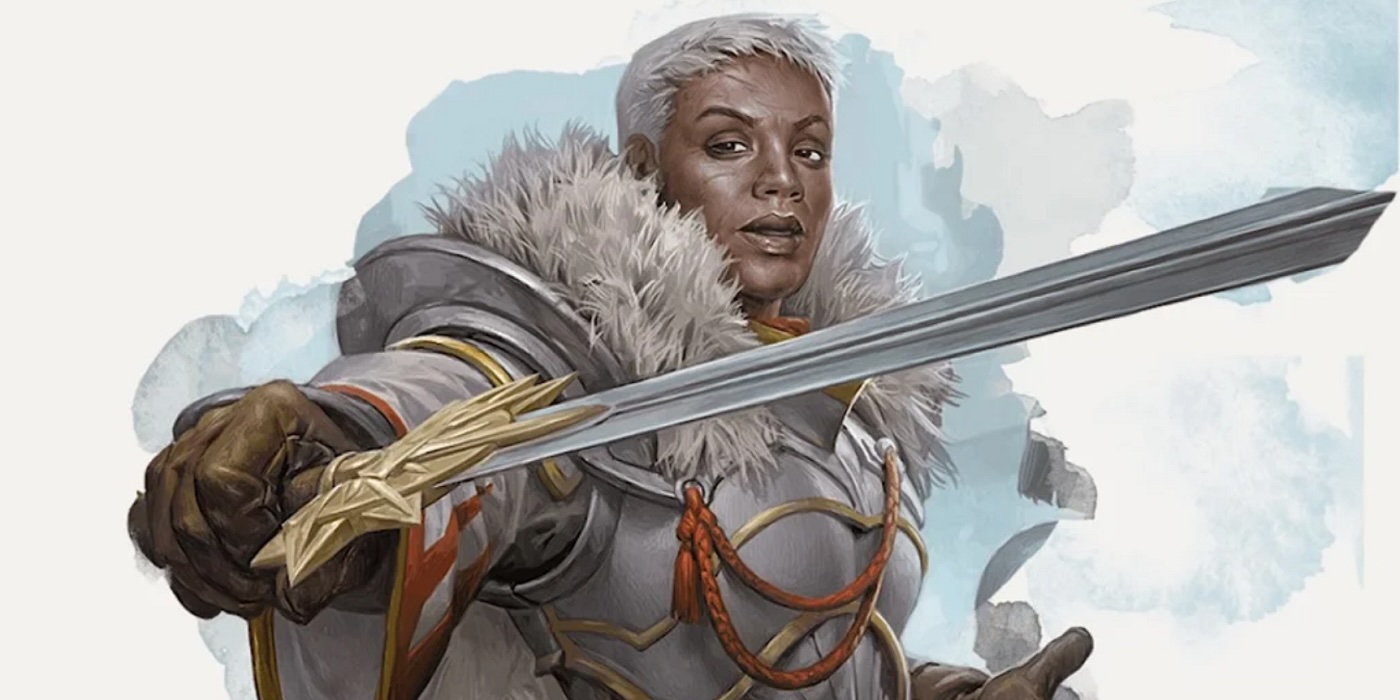
Usually because that means a PC has arrived to solve everyone’s problems. And with level 3 features strong enough to change your whole playstyle, the Bladesinger Wizard packs a punch. Starting with the eponymous Bladesong. This feature lets you evoke your ancient magical artform, aka use a Bonus Action to gain a series of benefits for 1 minute.
In this case you’ll gain a bonus to your AC equal to your Intelligence Modifier as well as 10 feet extra movement, and advantage on Acrobatics checks. You also can make weapon attacks with your Intelligence modifier – and do note that it’s weapon attacks, so you could technically use Bladesong with a hand crossbow or a gun, even, as long as you have proficiency somehow. Also you get to add your Intelligence modifier to your Concentration checks.
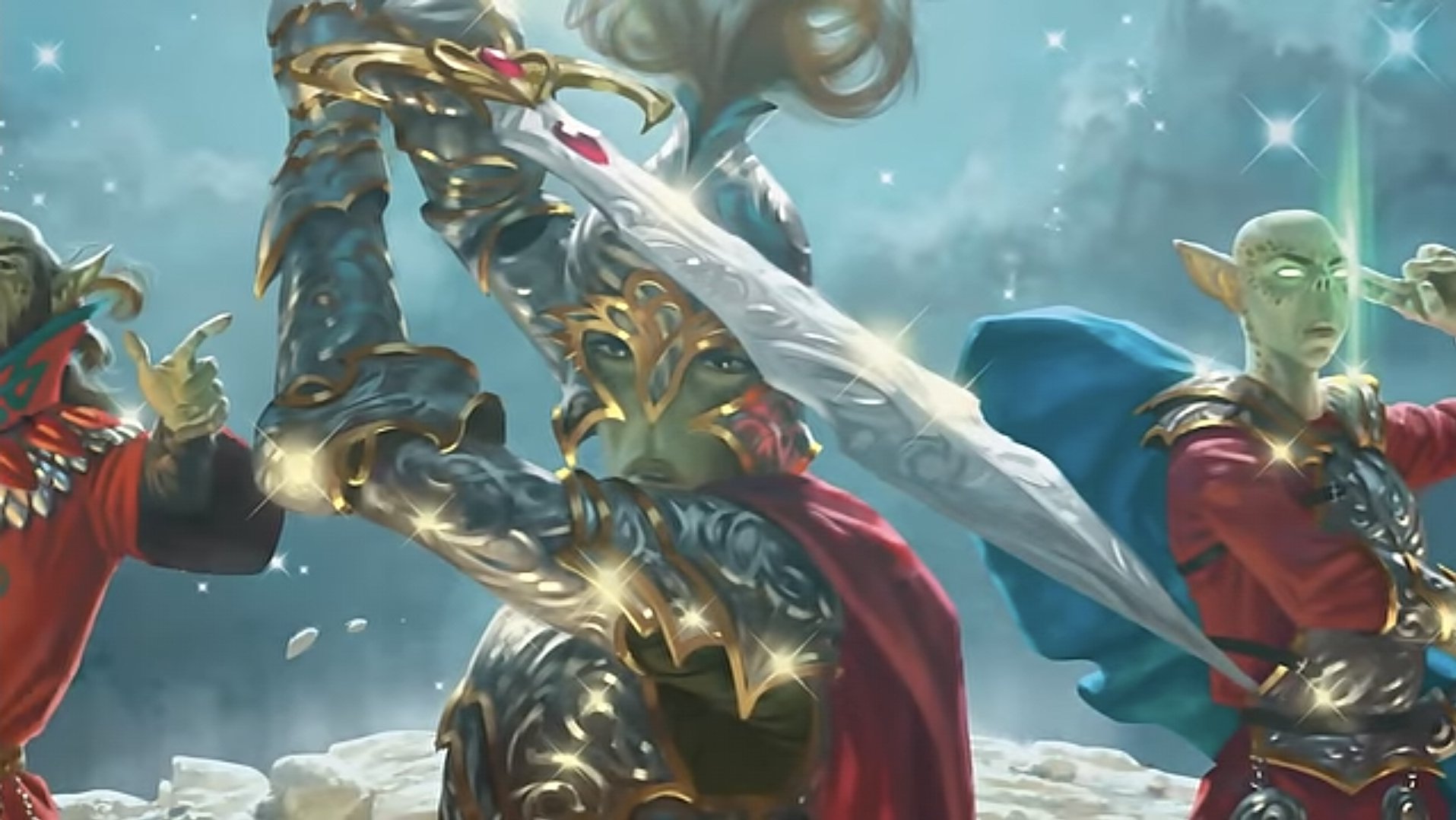
The other level 3 feature, Training in War and Song, plays into this as well by giving you proficiency with all Melee Martial weapons that don’t have Two-Handed or Heavy properties, as well as proficiency in Acrobatics, Athletics, Performance, or Persuasion. But again, all your Bladesinging features, including the one that lets you use a Melee weapon as a focus is only based on your proficiency (and not using two hands to make an attack with a weapon).
Higher Levels – More Blade, Less Song
At higher levels, there’s considerably more blade – despite two of the features having song in the name. But before the song, there’s the blade. Specifically Extra Attack at level 6, which lets you attack twice instead of once whenever you take the Attack action on your turn. But because you’re a Bladesinger Wizard, you can also cast one of your Wizard cantrips in place of one of those attacks. Which is great if you have True Strike in your repertoire. Two attacks plus extra magic damage? In this economy?
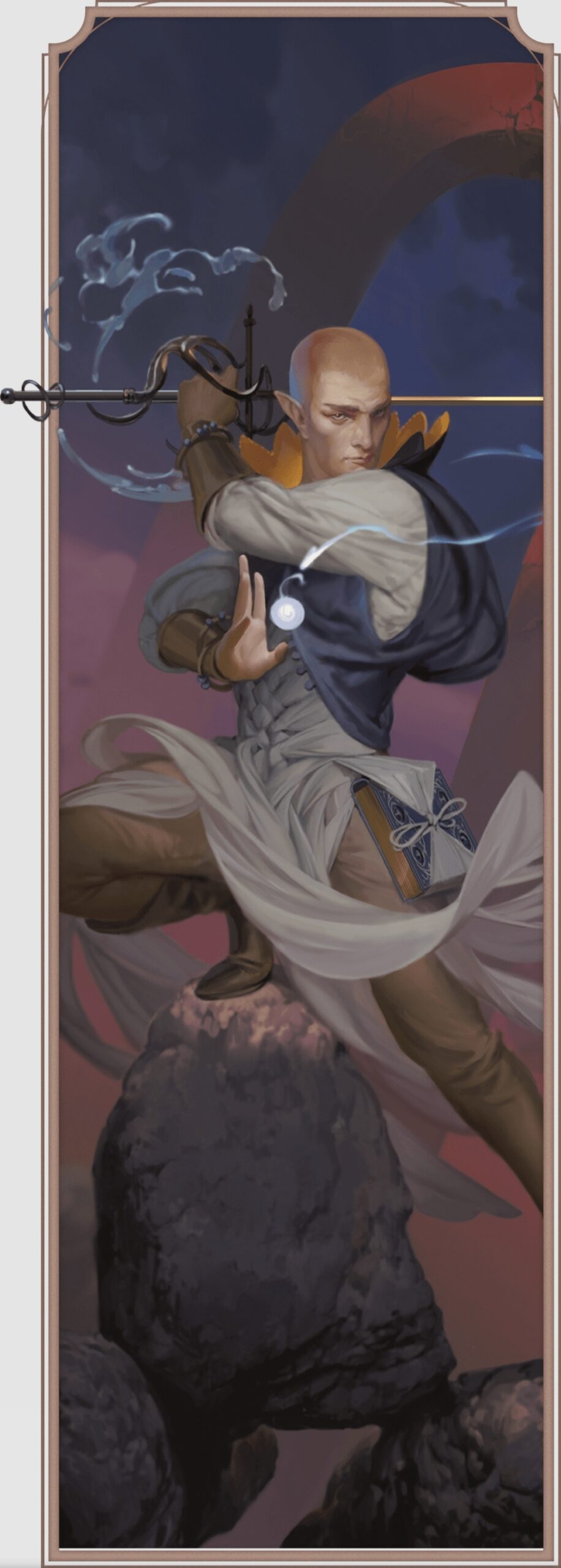
We finally start hitting some duds at level 10 with the Song of Defense. This feature lets you use a Reaction to reduce incoming damage. But only when your Bladesong is active, and even then you have to spend a spell slot to reduce the damage. However, you reduce the damage by 5 hp per spell slot level. It’s a very niche defense that I think most of the time you’d just use a spell slot like Shield or the like to try and mitigate. But hey, they can’t all be winners.
The Song of Victory lives up to half of its name, though. Because it certainly is a winner. With this level 14 capstone feature, you get the other version of Extra Attack. Whenever you cast a spell with a casting time of an action, you can use a Bonus Action to make a weapon attack. This means you can pretty reliably both cast a spell and make a melee attack on any given round, living up to the grand dream of the gish.
Check out the Bladesinger Wizard and seven other subclasses in Heroes of Faerun!
Don’t Miss:

Read more at this site