

Tired of encounters that turn into four-mini pileups? Wanna spice up a slugfest? Here are a few ways to make your encounters more dynamic.
Encounters are an essential part of D&D. They are one of the digestible chunks of what makes up a good session. And the right encounter can help set the tone of a campaign, or give characters a chance to show off, or even convey what the bad guys have been up to all this time. And, in most RPGs they’re usually a few seconds to a minute long, but they take an hour (or more) to work through around the table.
So why not fill that hour or so with something your players will appreciate. Here are a few tricks you can use to help your encounters have more of an impact right up until the party just trashes your beautifully crafted encounter that you spent the week preparing.
There’s More Than One Way to Win a Fight…
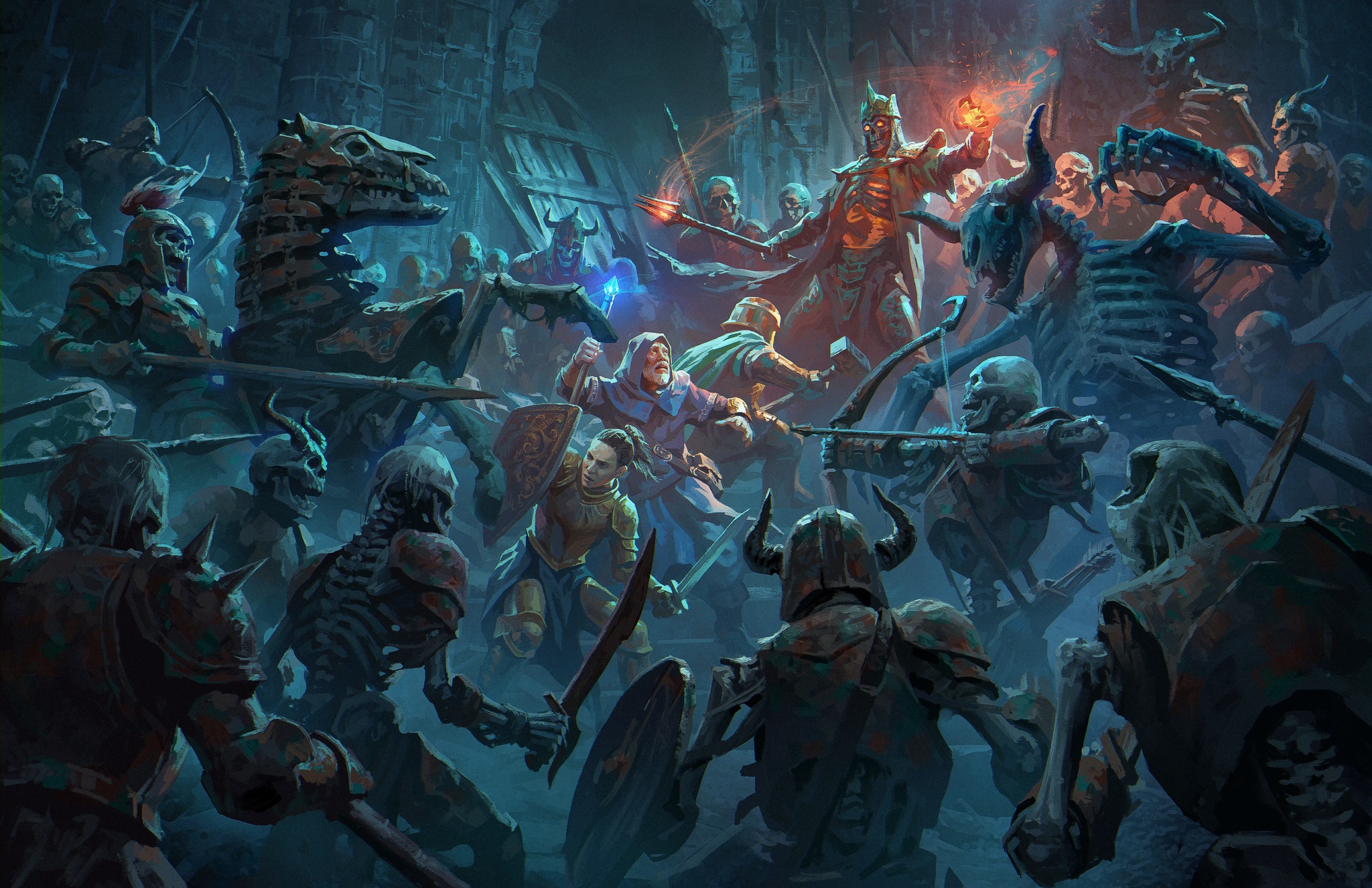
How many times have you seen an encounter end up like this: the PCs rush in, swords blazing, and run up against whatever it is you’ve got in this encounter—whether it’s a beholder Death Tyrant, or just a couple of Carrrion Crawlers, then, the next thing you know it’s just a few rounds of everyone piling on and rolling dice until the other side is dead.
There is absolutely nothing wrong with that—encounters like that are the bread and butter of RPGs, they fit perfectly in your lunch box and are great. But like anything, you’ll get tired if that’s all you ever have. So why not try to add a little extra flavor to your next encounter and think about how the players can win or lose the encounter?
Don’t make it all about killing the other side (or surrendering, if your players are merciful). Maybe the goal of the encounter isn’t to kill all the enemies, but to try and shut down a portal that’s siphoning out energy from an ancient artifact, and players have to make skill checks to stop it (while being pestered by arcane constructs, of course).
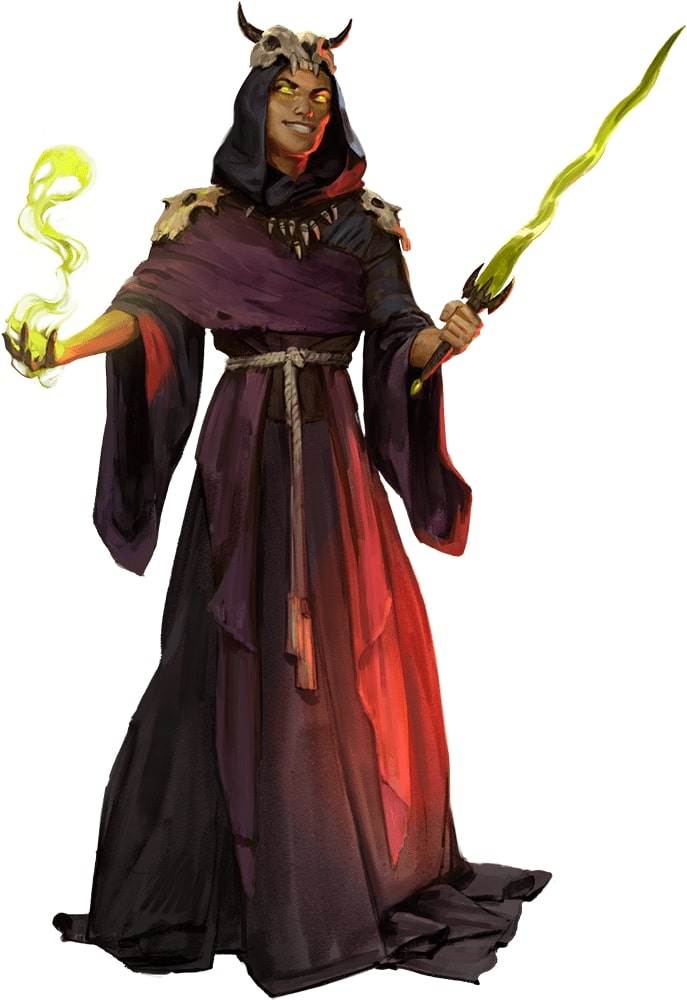
Other goals might include holding an area for a number of rounds, keeping attackers from interrupting a mystic rite (if they attack one of the performers, the ritual is disrupted, three disruptions and the fight is over, so it’s less about killing the attackers, and more about keeping them from getting to the people doing the ritual).
Or maybe the encounter hinges on the players retrieving a specific item before their enemies can have it. This can be a magic item, or maybe a piece of incriminating evidence that a band of assassins is after–here the encounter isn’t only about killing them all (though that’s one way to do it). If the players can retrieve the evidence they win. If the assassins get away, they lose the encounter. And that leads me to my next point.
Losing Isn’t The End…
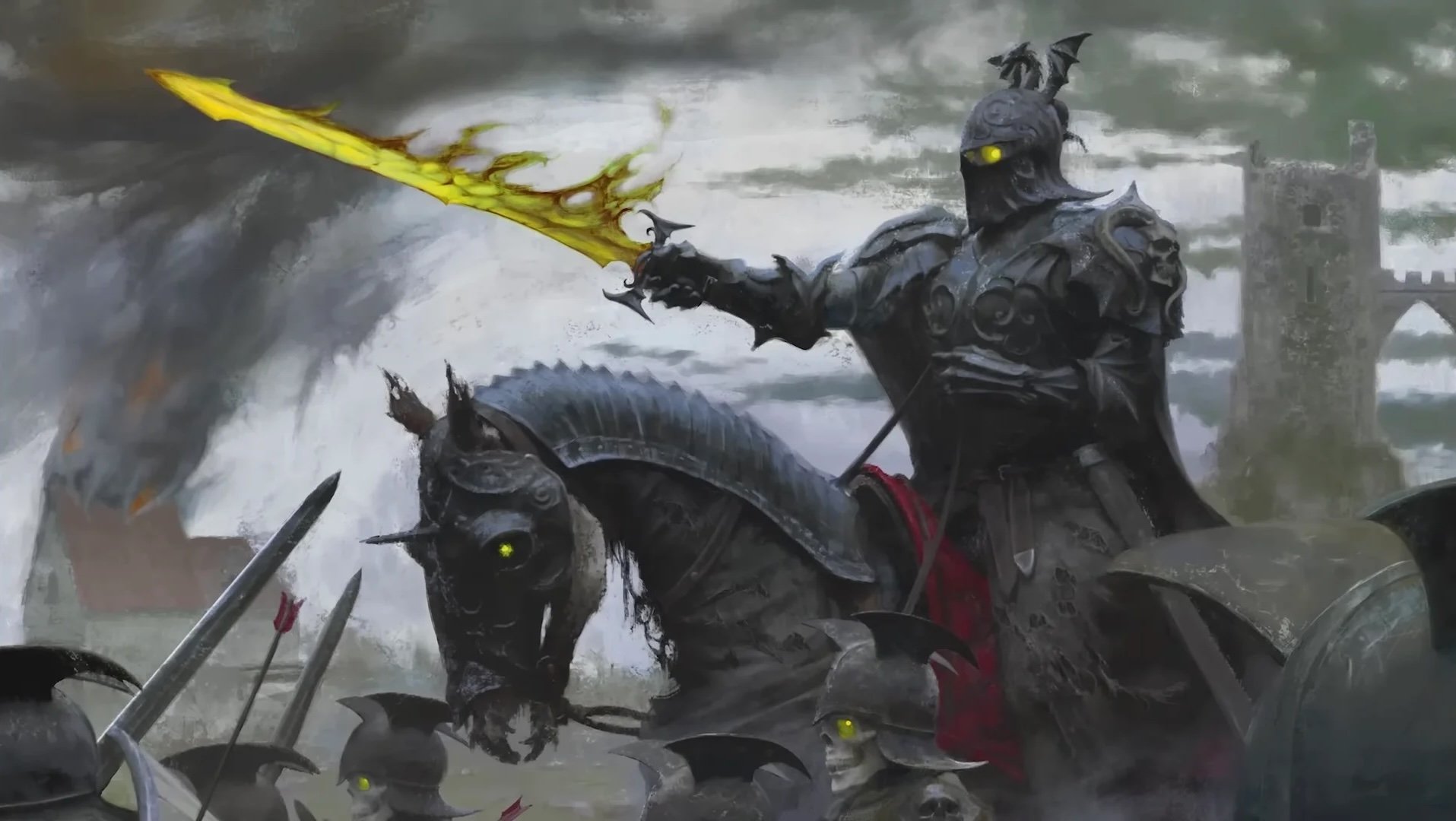
Having a goal besides killing everyone frees up so much narrative space. It allows for your villains to do more than just try (generally unsuccessfully) to kill your players. Having them get hit by thieves who want their money, or by guards who want to capture them or whatever means that you can introduce dramatic tension—”we might lose the fight”—without it resulting in a game over.
Once you realize that, the world opens up a little. You can do things like arrange an encounter that the PCs can ostensibly win. After all, they defeat or drive off the foes, and have by all rights, defeated the encounter (giving them the XP, etc.), but during the fight, the enemies accomplished a goal of theirs. Maybe they freed a prisoner, or stole the duke’s battle plans or something. The end result is that things are worse even though the players have done everything right.
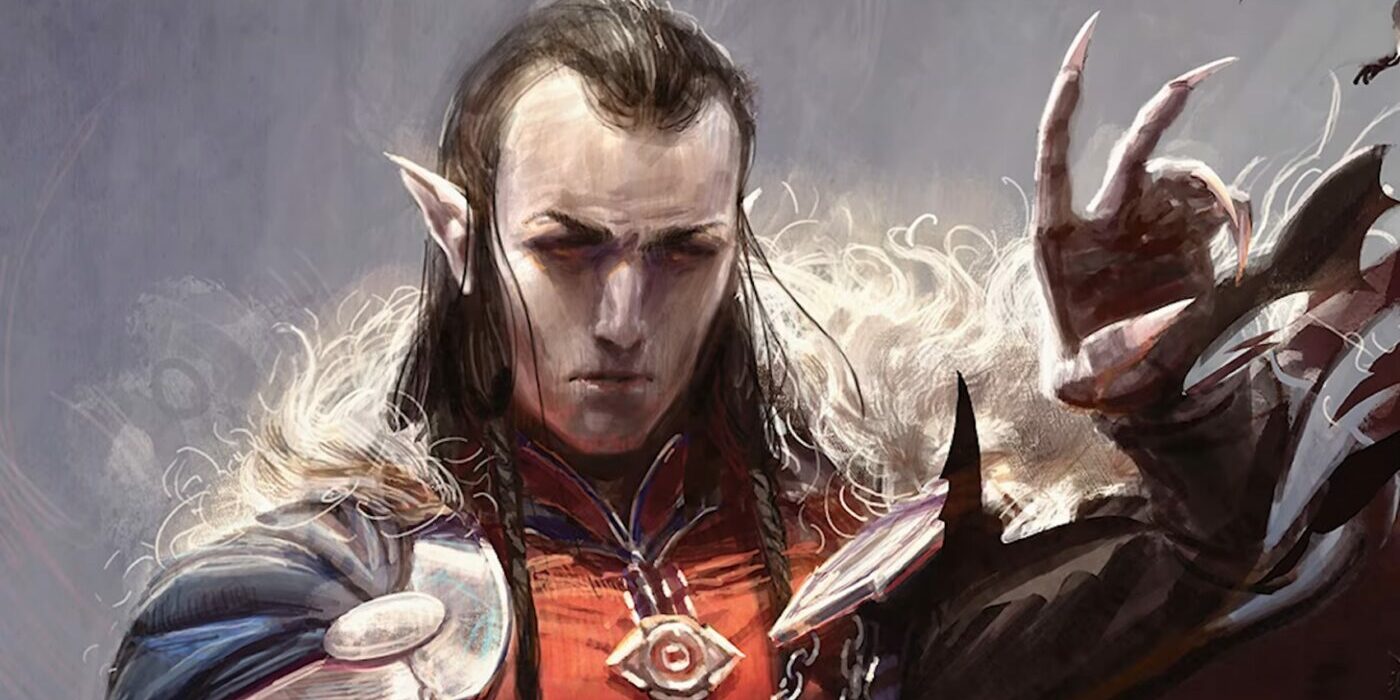
Setting it up so that the enemies “win” even though the players beat them in combat can also help take the sting out of defeat a little bit, which goes a long way to making sure no one flips the table.
Plan for the Whole Encounter…
Every encounter is like a little story all its own. It has a beginning, a middle, and an end. And while you won’t be able to plan for what your players do (unless your group is that predictable), you can at least have a plan in place that your group will rapidly render invalid, and you’ll have something to wing off of.
Giving the NPCs a goal besides just killing everyone can go a long way towards helping you figure out the shape of the encounter. Instead of just picking out some monsters and seeing what happens (which is fine), take a minute to think about what the middle of the fight looks like. What does the end look like
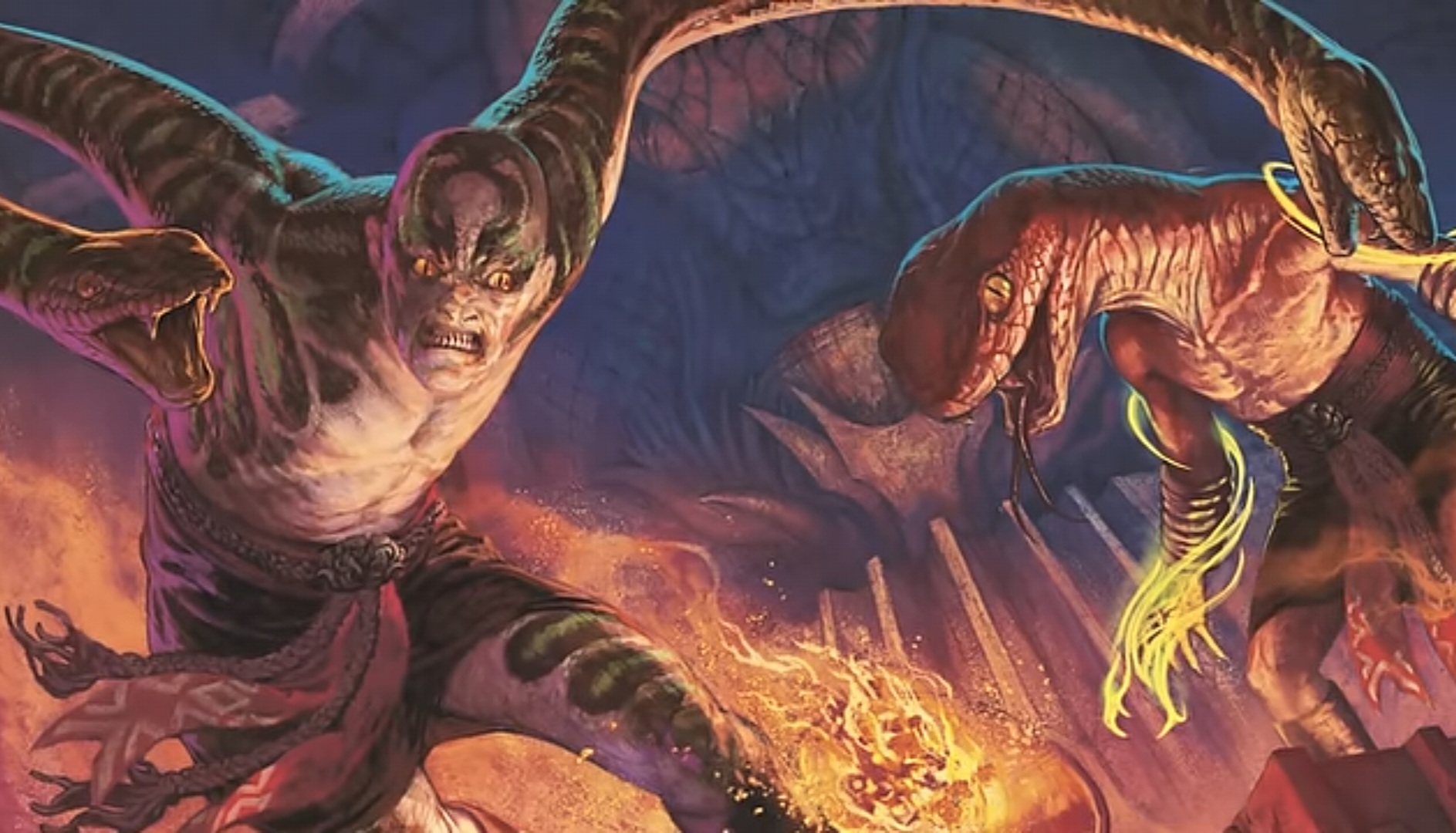
How will the NPCs try and achieve their goals, and what will they do when the PCs try and stop them? Knowing what the fight might look like can also give you a chance to play up the drama of it. If you know that it’s likely your PCs are going to prove a match for one of your villains, maybe the encounter makes him desperate, and he calls on some dark power to try and save him. Now, midway through the fight, when the PCs get the upper hand, he cries out, and infernal powers invest him with demonic energy.
And just like that, you have an encounter that is a little more dynamic.
Develop Some Character…
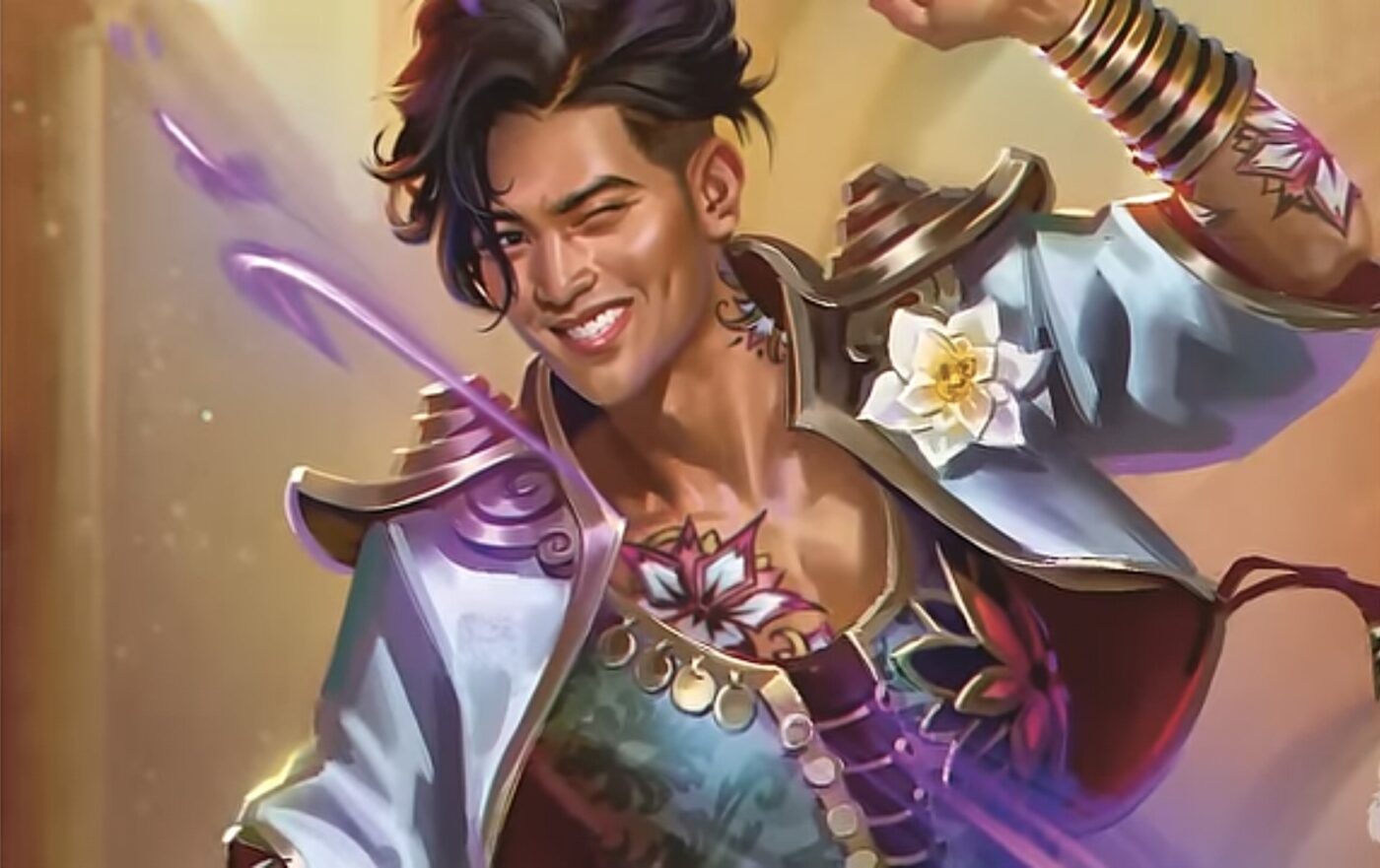
Dramatic fights often reveal something about the characters involved. Take a look at any good TV show or movie. It’s rare that a fight is just a fight. It’s another kind of conversation. This kind just happens to have fists as well as talking. These are moments like Luke dueling Vader and talking about how there’s good in him, or the scholarly banter between Inigo Montoya and Wesley in The Princess Bride. Both of these fights are filled with back and forth moments. The key is to give your players a chance to show off their character.
If you know you have a paladin, give them a chance to espouse the virtues of their deity in the face of their foes, or set up the cunning but cowardly rogue to have a heroic moment where their skills come to the forefront. Think about what opportunities the fight is giving your PCs to say about their characters, and you’ll find them getting more involved.
Keep It Moving…
We wrap up with a more mechanics-based tip. And that’s to give your characters space to move. Something as simple as having a fight take place across a few rooms, or in an environment where the players have to be constantly moving is a great way to keep things feeling like something neat is happening each turn.
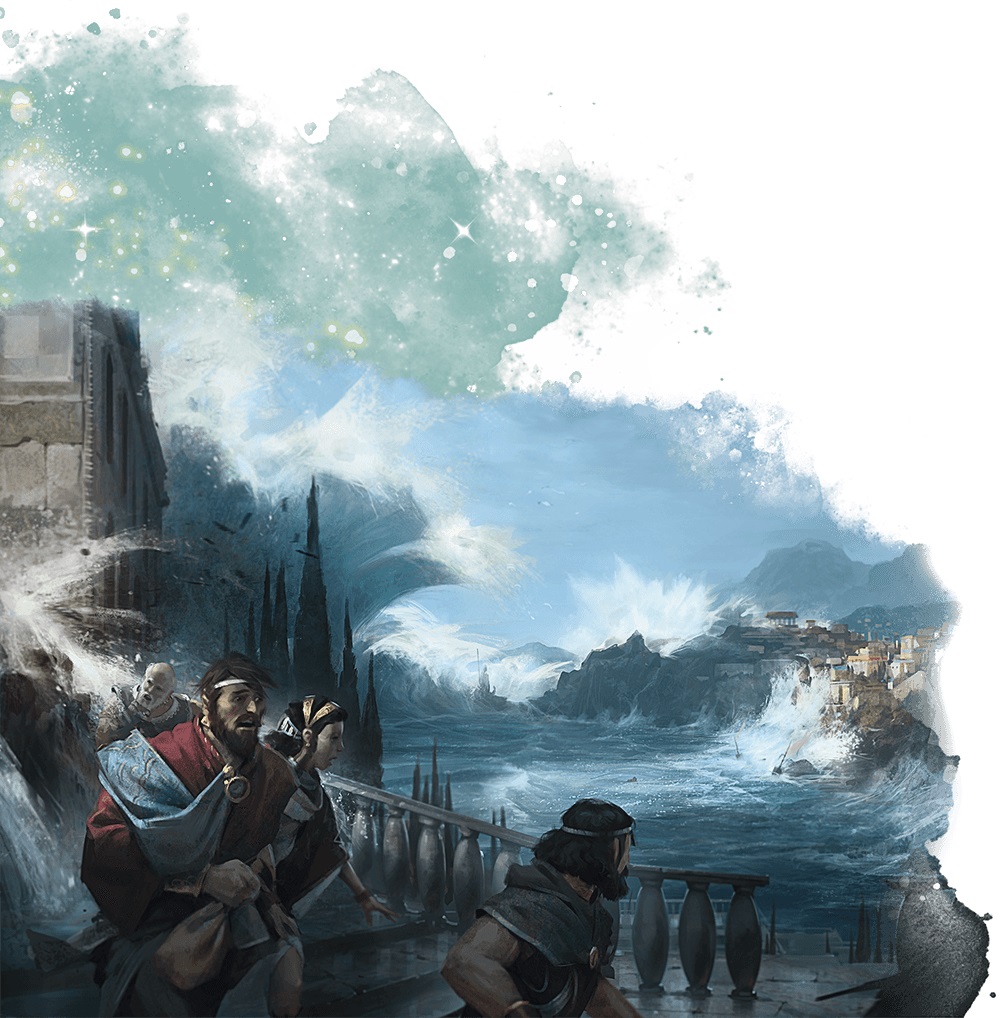
Moving minis around on the battlemat feels great—but it’s hard to do sometimes, if your players don’t have reasons to move. You can use any of the tricks up here to give them a reason—or you can use one of my favorite techniques and have the encounter come in waves.
Subscribe to our newsletter!
Get Tabletop, RPG & Pop Culture news delivered directly to your inbox.
Just like bringing in reserves, you start the fight off with maybe just one or two monsters–and then as it progresses, more and more join in, making the players react to the appearance of different threats. This works especially well if you used monsters with ranged attack powers—they give players a very solid incentive to keep moving towards them. Or have some skirmishing type characters (rogues or the like) who have been hiding appear suddenly, and watch your players scramble to try and confront them.
These are just a few ways you can add a little extra spice to your encounters. Got a favorite trick? Share it in the comments below.
Don’t Miss:

Read more at this site