

Once you’ve finished the adventure or defeated the guardians of the treasure, how do you make it feel good? Here are five things to try!
Finding treasure, magical or mundane, has always been a part of the D&D experience. In fact, in the earliest days, you’d get XP for finding treasure. Delving deep into dungeons to unearth piles of gold and rare gems has always been a primary motivation for adventurers. But what do you do in modern D&D, where, aside from a few notable exceptions, there aren’t even necessarily magic items just waiting on the shelves for you to spend all that gold on (unless your DM decides to make that a thing)?
Once you have your basic needs covered – and here I mean a “good” weapon and the best kind of armor you can buy with money for characters that use those, an arcane focus/holy symbol, and enough money for materials and a lifestyle expense, you don’t have a ton to spend money on. So it sits on the character sheet, not even earning compound interest. Here are a few things you can try.
Make It Shiny, Make It Wearable
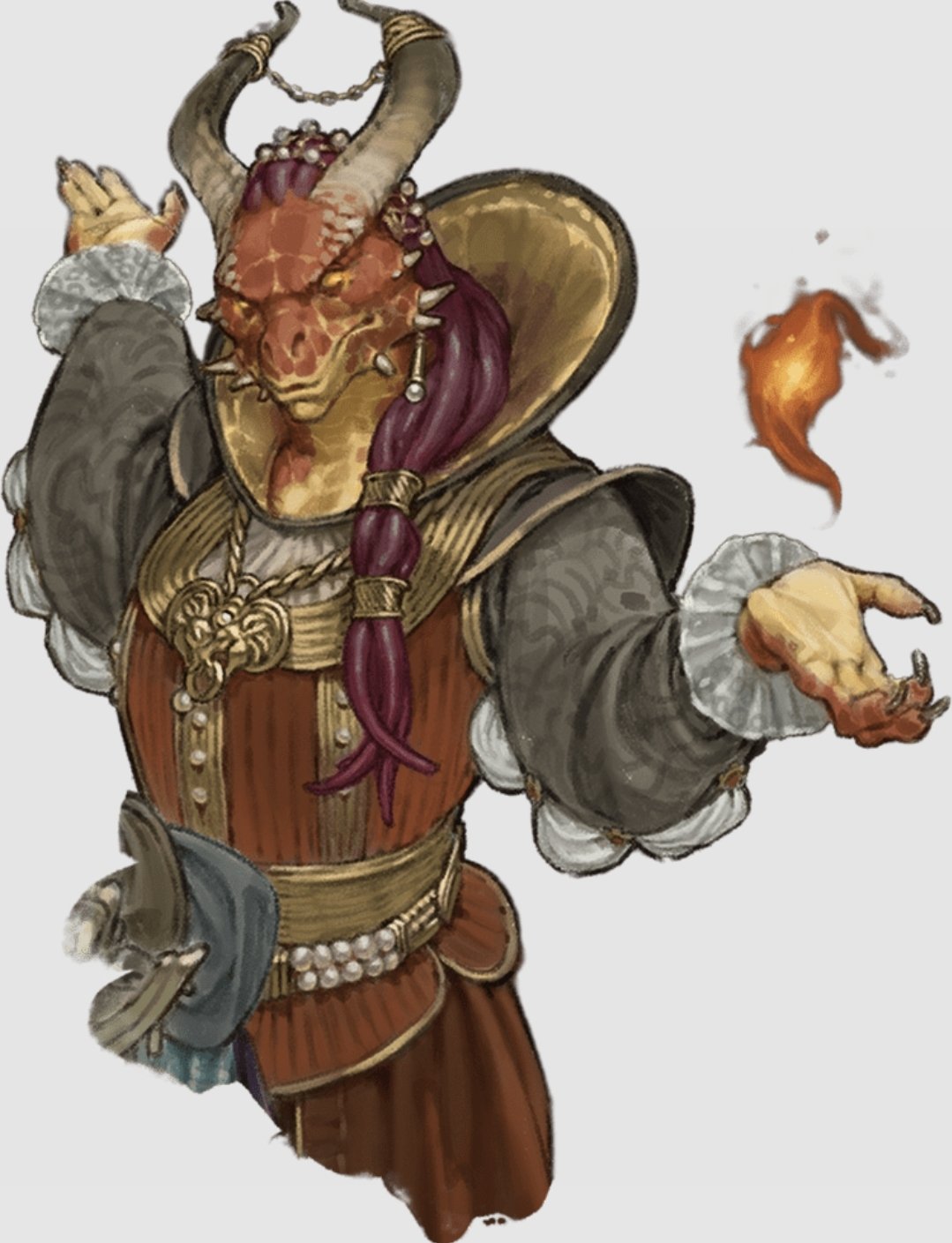
One of the things that can help treasure feel better in D&D is a sense of specificity. And that’s what I mean by this. Piles of coins are cool and all, but a jeweled scepter of an ancient queen, or a delicate tiara, or something can help make the treasure feel like something that had a place in the world. That players are finding parts of the in-game history. Sometimes, it can be fun to just find a cool looking cloak that nobody else can have as part of the reward for doing a difficult quest. Or a neat statue to set up in your house/Bastion, Stardew Valley style.
Make it unique in the world, a chance for players to express their characters.
Give It Meaning In The World

Another thing that can transform a piece of loot into something memorable is the story around it. Make it a piece of loot that unlocks something. This could be literal, in terms of like Skyrim where jeweled dragon claws are also how you unlock certain puzzle locks in dungeons that give you access to new magic powers (which in D&D could be the form of a boon). Or it could be figurative, like finding an ancient statue helps a beloved NPC prove something about their noble heritage – then it gives a story and/or use in the world – as long as the NPC lets the party keep it for the money (or rewards them some other way) in the end.
Set Spending Goals

This one you can try preemptively, before the players have scads of treasure lying around. Set up some reason for them to have a lot of money – maybe they need to raise funds to hire a mercenary army to protect a village, or they need money to buy passage on a ship (or even just a ship) so they can get where they need to go. Then they have a metagoal that they are striving for when adventuring in search of treasure.
Bribes
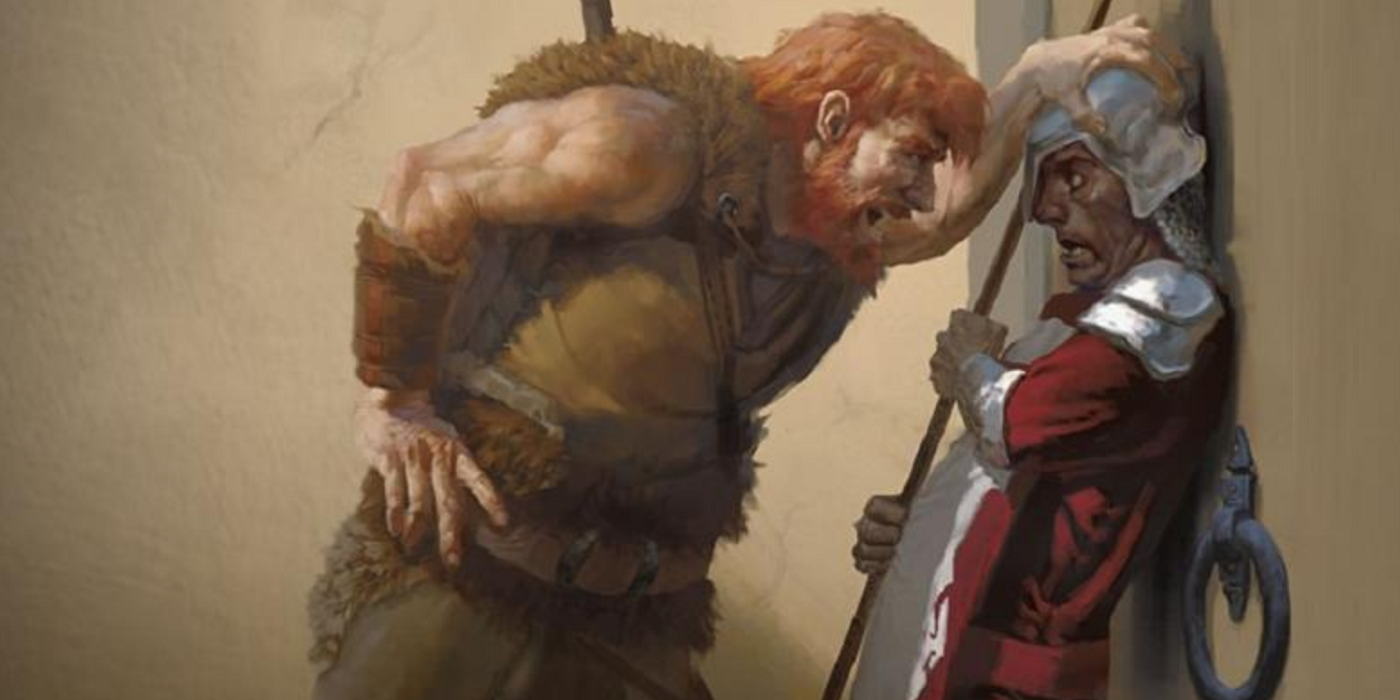
Money solves a lot of problems. And if you let players start spending money in place of, say, skill checks – like imagine if you failed a Deception check to get past a guard, but for a mere 50 gold pieces (or whatever amount feels reasonable) you can just walk past them and they didn’t see a thing? That gives money an in-game benefit, and suddenly you start to keep track of how much is on the ol’ character sheet.
You Can Actually Just Put Magic Items In A Store
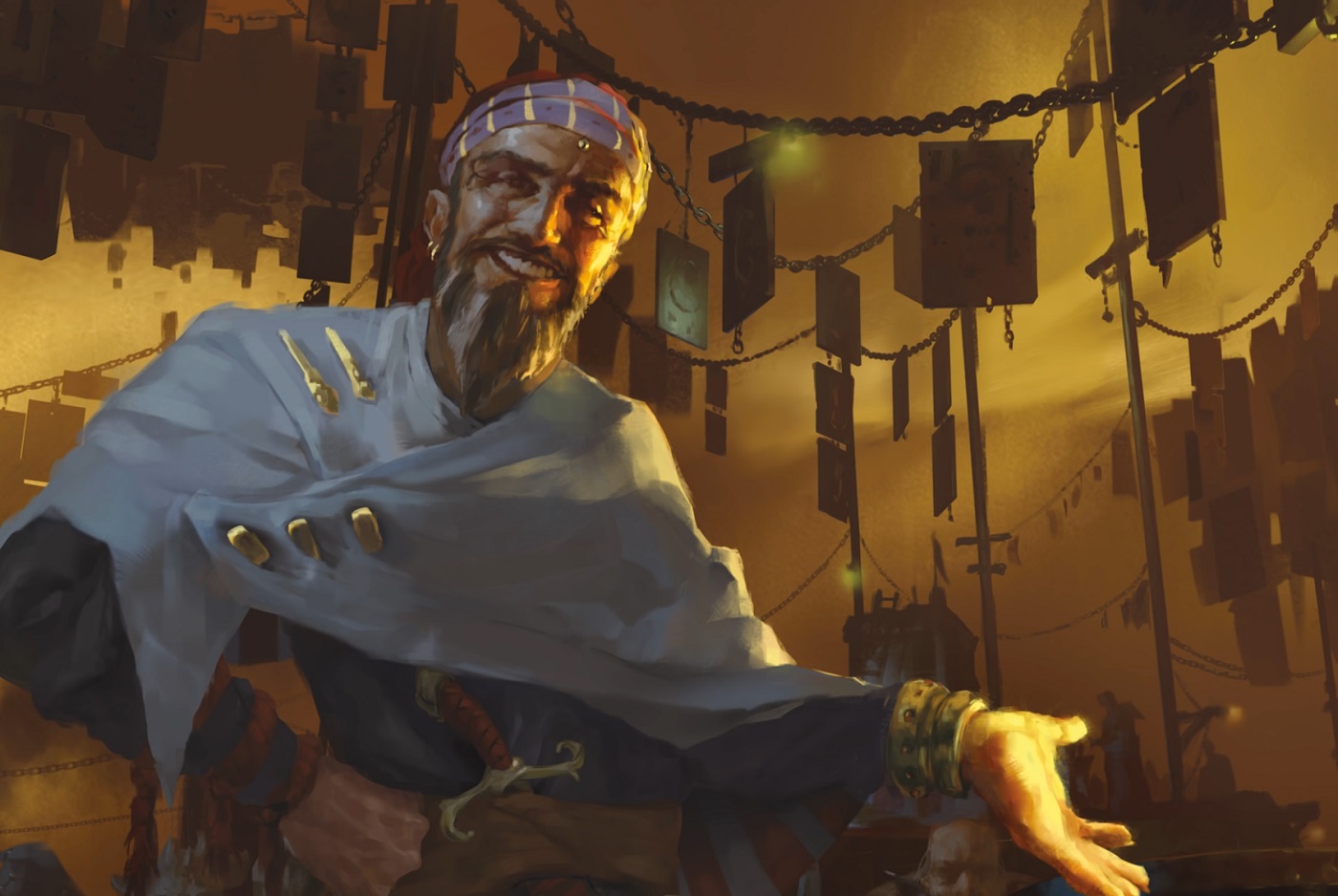
Finally, the one that involves, perhaps the most up-front work – you can just put magic items in a shop. I like to make it rare and to put specific magic items. It’s not “oh this merchant sells rare items” I’ll either pick something ahead of time, or roll up on the treasure table to see what they might have in stock. And then, of course, you have to come up with a price. There are some loose guidelines in the DMG, but I find it is as much about balancing what makes sense for your world as what’s in the book.
But, it’s a classic for a reason.
Happy Adventuring!
Don’t Miss:

Read more at this site