

Over the last few articles, we’ve chatted a lot about strategies to shape your show for mass appeal. This time, I want to talk about content creation that supports your show. There are a lot of elements to consider that don’t appear on screen or behind a mic!
Read all the Beyond the Audience articles!
You’ve recorded some episodes for your show. Nice work. You publish the episodes online, and people seem to like them. Even nicer! So what next?
I’m going to break down two significant forms of content you can create for your show to keep your audience invested in your story even when they aren’t directly listening to your content. First up, I’ll talk about the power of show art, and then I’ll discuss the benefits of publishing the lore from your game.
Art for Commerce’s Sake
You likely don’t need a social media manager to tell you that the “best” shows out there today have a fantastic collection of art. There are a few different categories of art that I’m referring to here, so let’s go over the most common: social media graphics commissioned art and fan art.
Let’s think about that saying, “Don’t judge a book by its cover.” But we all know people judge things by the way they appear. If your stream or podcast has a wealth a flashy graphics on Bluesky, an Instagram account full of fan art, and a website covered in professional character portraits, people will assume your show is good because it looks good.
Realistically, if you have a new show, you don’t have a batch of fan art ready yet or a ton of income to commission great art. But there are a couple things you can do while growing your art base. The starting point is to have an excellent show logo. Commissioning a logo to represent your show is a must for your podcast or stream. A logo carries through your social media, unifies your audience, and helps folks recognize your content.
When you lack cash, the other starting visual build is to work on your social media graphics. You don’t have to be a Photoshop whiz (though it helps if you are). Hit up user-friendly websites like Canva or Hootsuite for tools to build out your social media posts. Until you have money to commission specific art, use your logo colors, cool patterns, and photos to keep people looking at your content. Once you’ve been at it for a while, you’ll get that fan art and money for commissions. It is your solemn duty to repost and promote the heck out of all such acquisitions.
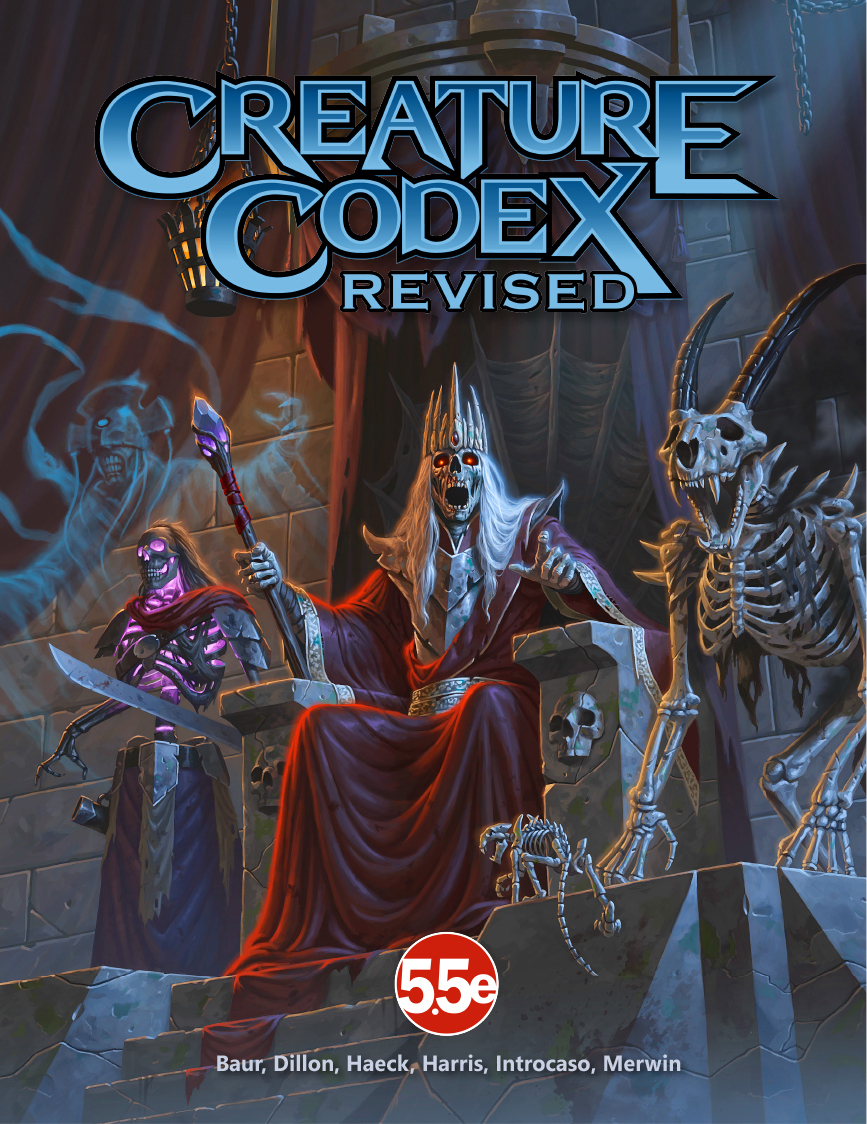
Creature Codex—Revised for 5.5!
One of the best monster books on the market is revised and updated for D&D 5.5!
Over 400 new monsters for your 5.5 or Tales of the Valiant game!
Publish the Lore
Next on the agenda is publishing the lore of your game. Because we publish RPG shows, we have a unique marketing advantage: we have access to a ton of information about the characters and the world our characters inhabit. Inviting the audience to explore the details of the worlds you create is a fabulous way to keep viewers engaged between episodes.
The actual play D&D podcast Legendlark (formerly Dames and Dragons) is a great example to follow. They have a wiki and a website where they publish tons of lore about their homebrew world. You can click through their social sites to read all about the pantheons they created, you can look at the full world maps, and you can learn backstories about each of the characters.
By investing time publishing the details of the world, the LegendLark players have created an immersive experience for their audience. They established a wealth of things to explore and discover for anyone wishing to engage a little bit more.
As modern creators, we have access to some helpful platforms that make this kind of publication super easy. It is worth your time to set up a blog, a Patreon account, and a wiki page to share tantalizing details of your lore. Inviting your audience to view your creations keeps them riveted to your content and more likely to share your show. These lore-based posts are a great way to keep show content flowing at all times, and they fill in downtime between episode publications. People want a lot of content immediately, and this is the perfect way to serve that.
So remember! There are a lot of ways to make your show excellent, but one of the most important is putting the pieces together to support your primary sources of content. Use strong visuals, and share the story of your world to keep that audience engaged.
The post Run your best actual play!: Share your world, not just the game – June 15, 2026 appeared first on Kobold Press.
Read more at this site