

Sometimes you just want to be evil. But you also don’t want your friends to hate you. Here are some tips for evil D&D characters.
Good and evil are more than just what you fill in on the alignment chart meme. They’re also a way to play your character. Although if you want to dabble on the evil end of the spectrum, you had better beware; that’s a good way to end up with the rest of the table mad at you. But when done right? You can get some delicious narrative tension and interparty dynamics. Plus, it makes for thrilling combats when you know someone isn’t necessarily going to hold back.
But how do you do it without immediately making your friends hate you? There are a few things to keep in mind when making an evil character.
Be Evil In A Way That Benefits The Party
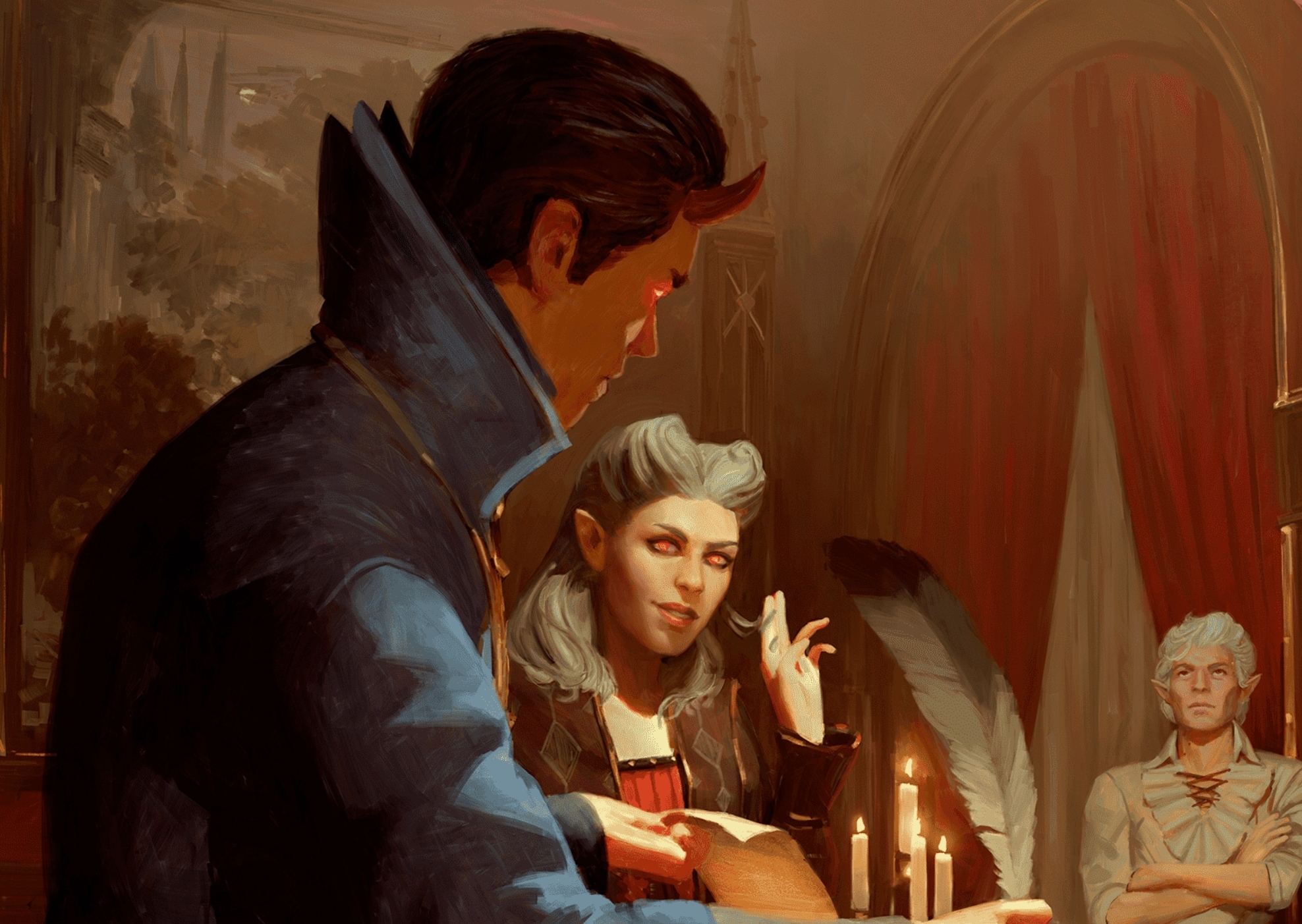
One of the most important things you can do is to use your evil for the good of the party. And that might sound a little pithy, but it’s true. D&D is, after all, a co-op game (for the most part), and when people see that you’re a team player, then they tend to relax their hackles a little bit. It’s like when the villain of a TV show teams up with the heroes to work towards some common goal – sure, they might disagree on methods, but when you’re evil, you can get away with the ends justifying the means. Especially if that helps the overall goal.
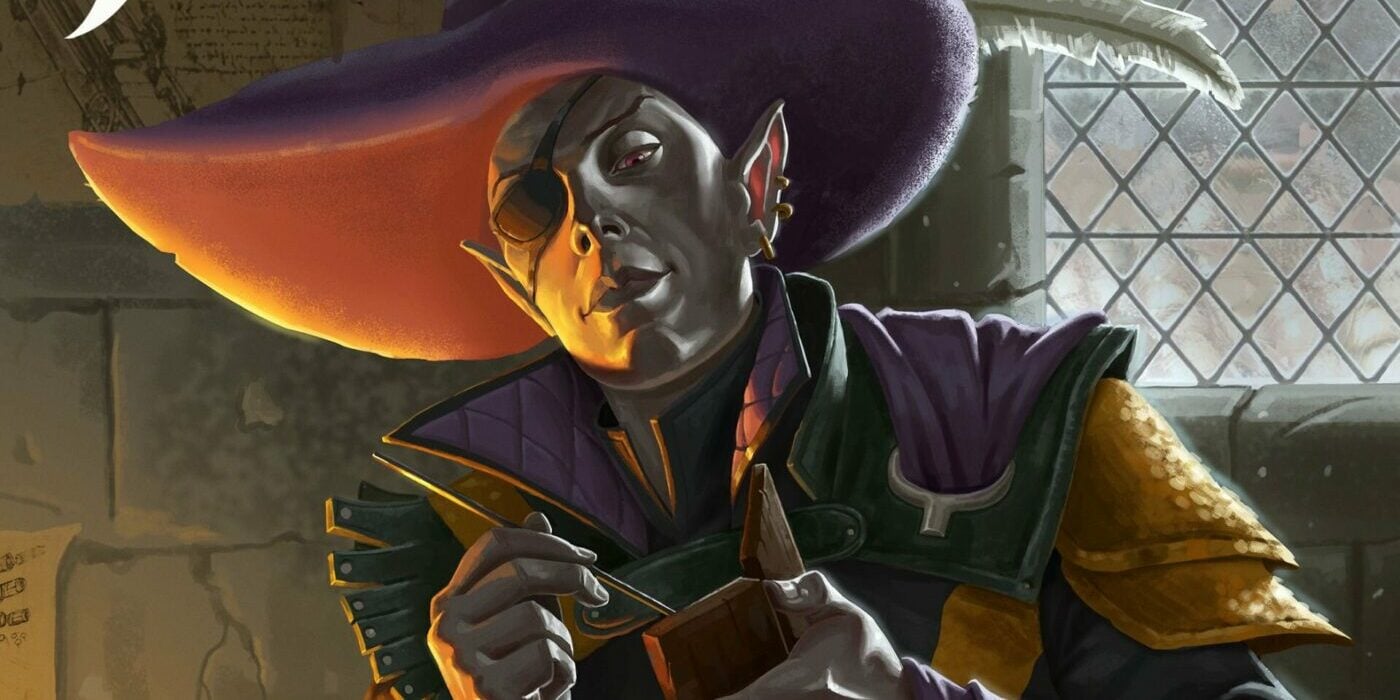
Like Cardinal Richelieu being unprincipled in the name of what he thinks is best for France, or Jarlaxle Baenre helping adventurers to save his own territory, you can be monstrous to those who stand in your way, while helpful to the people you’re with. Just be prepared for characters to have reactions to whatever it is you do.
Don’t Over-Antagonize Your Friends
In Baldur’s Gate 3, you can often tell when you’re going too far on an evil run. Some things your fellow party members won’t approve of. And get too much disapproval and they will let you know. Depending on how you play you might want to try to carefully balance what people think of you.
Similarly, maybe don’t do the same to your friends. There’s something to be said for some delicious friction and interparty conflict, especially with people you trust, but if you know the tension is rising, maybe find some room to deflate it a little. Don’t murder every NPC, basically. Don’t rob every person you come across “because I’m evil and it’s what I would do” and you’re well on your way to a successful evil character.
Contrast For Good Roleplay
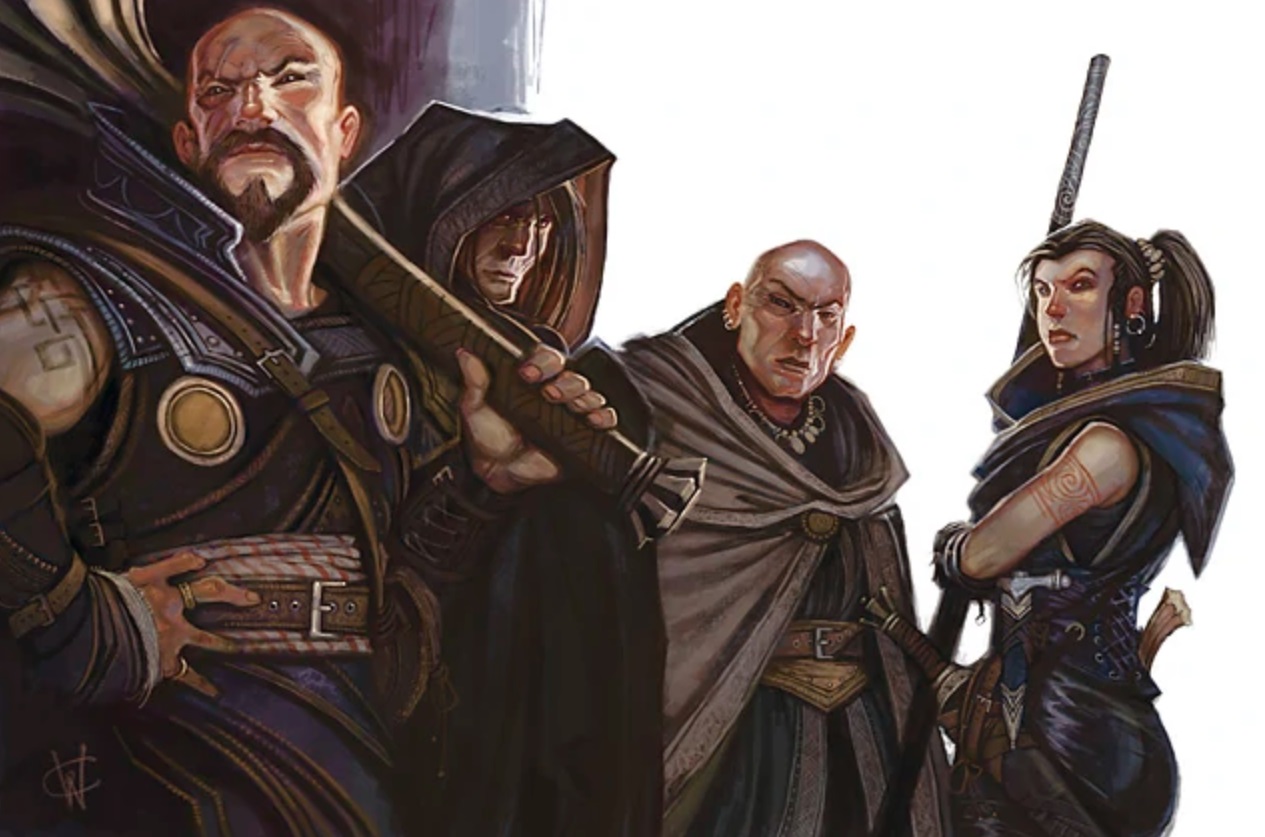
One thing that evil characters can do well is provide a contrast to the heroic ethos. You get to be villainous, and people often think that’s sexy and cool. Especially since you can be the one to pose a selfish plan or to point out how people are taking advantage of the trusting/heroic/generous nature of more do-gooder type party members.
It’s where the juicy roleplaying stuff lies, and is how you get at one of the rewards of playing an evil character.
Still Actually LIKE Your Fellow Party Members
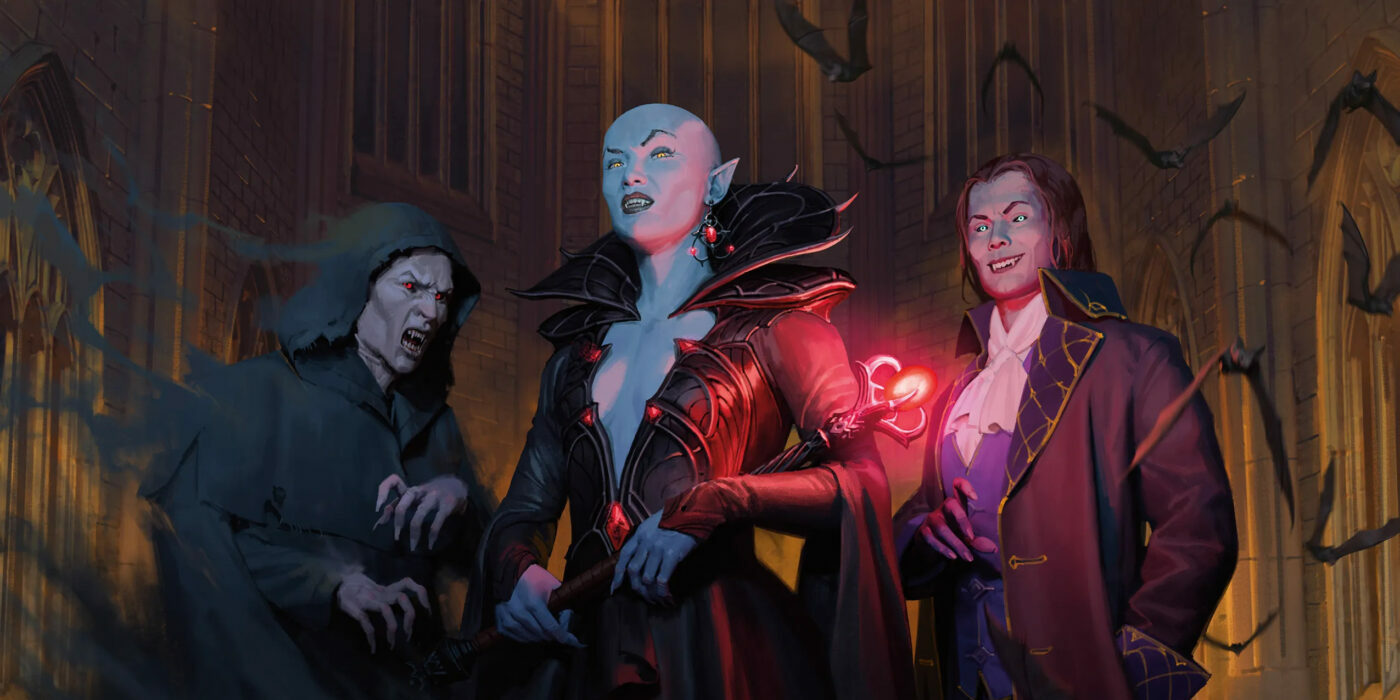
You’d think this should go without saying. But it doesn’t. At some point, you should make sure that your evil character finds at least something likable out of each of the other members of the party. You don’t have to be best friends, but, especially for evil characters, having a reason to want to be around the other weirdoes at the table is so vital to the health of both the campaign and the character.
Be Evil – Not A *Monster*
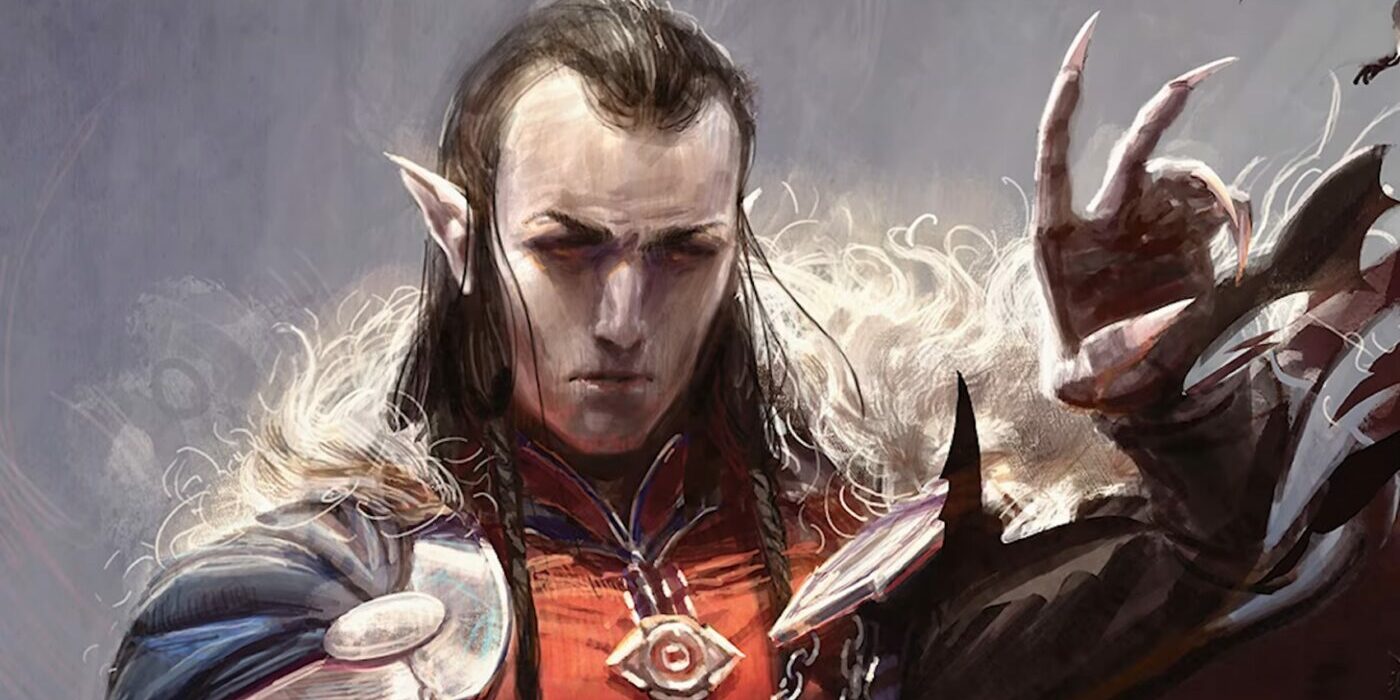
Also, maybe you have a line you won’t cross. The best evil characters have moments of “I’m a villain, not a monster.” It’s a great way of demarcating what makes you different from the main villain of the campaign or whatever. You can go far in life by being the lesser of two evils.
What do you do when *you* want to play an evil character?
Don’t Miss:

Read more at this site