

I launched my first session at my local public library, and I’m pleased to report it was a success. But it was not without a few bumps in the road.
An Unexpected Boon
My week was not going well. Work was hectic, I was stressed, and I suddenly got a note: I’d lost the room at my local library branch. It turned out shuffling tables every week would be too much trouble, so instead we moved to the main public library. I panicked; we had everything set up, including reservations. What now?
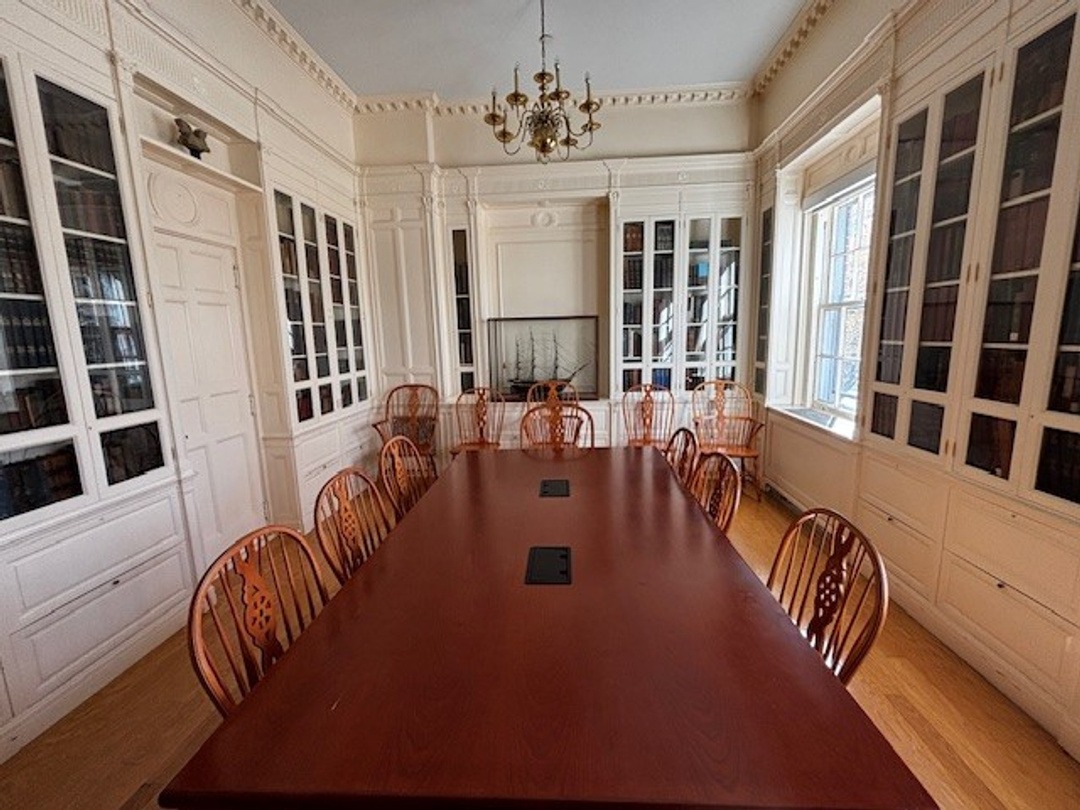
The cancellation turned out to be an unexpected boon. We shifted gears to the main branch of the public library, which is only a few more minutes away. But most important is the room itself: we are now playing in a gorgeous room filled with wall-to-wall bookshelves, a model of a sailing ship in a glass case, and an eight-foot-long table. The Fairfield Public Library is nearly 150 years old, and we are playing in a room that is nearly 100 years old (the project began in 1928). While we lost a big screen TV, we gained a fantastic setting to play in. There’s a bathroom right next to the main room too.
The New Adventuring Party
We had eight slots available with six sign-ups and five attending. Of the new players, two of them were experienced, with the other three familiar with Dungeons & Dragons in other media but eager to learn.
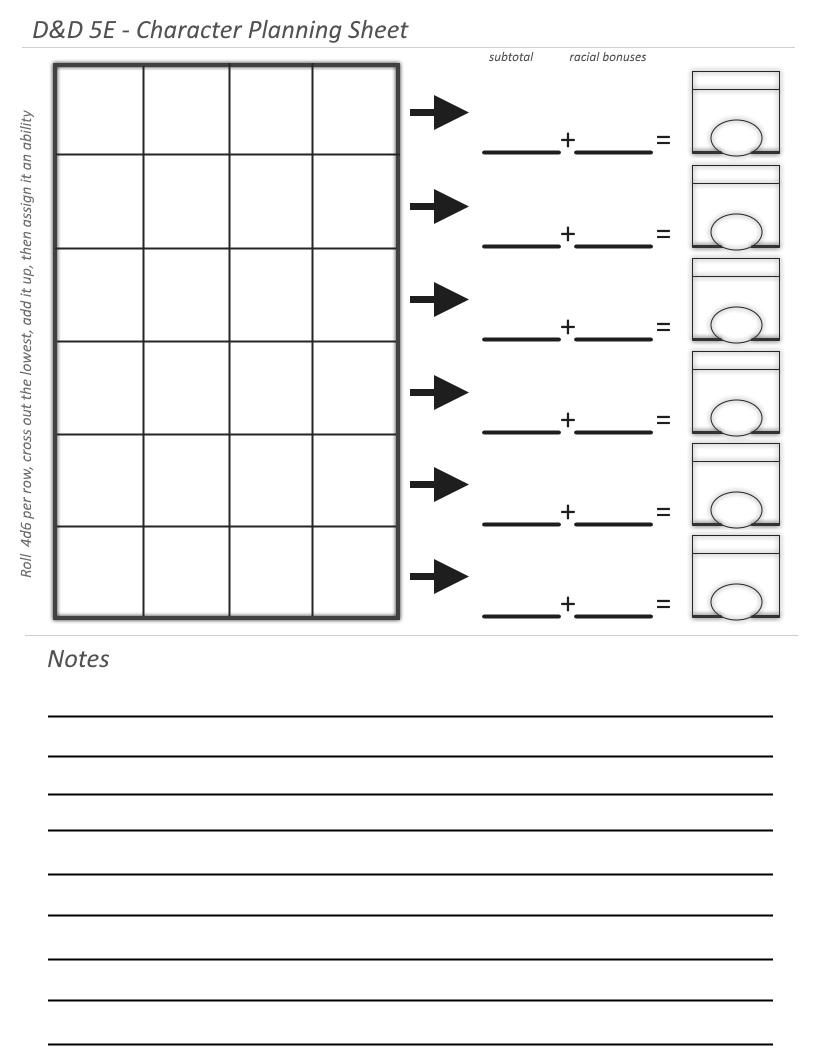
We started at around 12 p.m. (the session technically starts at 11:45 a.m. just to get us set up). I decided to start with the real basics: explaining the three pillars of D&D (combat, exploration, and social), my DMing style, and introducing each polyhedral die and its function. We then rolled old-school: 4d6, drop the lowest. Assigning ability scores was interesting because in my mind D&D character creation is species > class > background. In the 2024 edition it’s class > background > species, because ability score selection is optimized for the class, which makes sense (this prevents players from making low Charisma bards and ineffective sorcerers, which might not be fun for new players, but I find very entertaining).
While they created their character concepts, I integrated them into my campaign world, meeting them halfway with their vision and placing them into my world: a bloodthirsty dragonborn who still believes in blood sacrifices to the old gods; a captain who might just be a pirate that accidentally set his ship on fire; a half-elf drow sick of being an outcast and far from home; a wizard in search of the keys to magical creation; and a half-giant (goliath) on a vision quest. A motley crew to be sure, but then every D&D group is. All told, it took 2.5 hours to get started.

The Three Pillars in Action
I created a 100-page document detailing the town of Hammersmith and adventures there, where dwarves run an ironworks that never stops and human farmers harvest pumpkins, while the dwarves eye the woodlands for their forges. The tension is palpable, and everyone is in debt one way or the other. But after all that character creation, I decided they just wanted to flex their characters’ powers; while they were supposed to arrive by a stagecoach (pulled by giant goats, as it’s run by dwarves), I just threw a bunch of wolves at them.
Exciting combat ensued, and the 1st-level PCs nearly died, but they made it and arrived in town. With the combat pillar out of the way, they began the exploration pillar but were less inclined to venture on their own. They spent most of their time figuring out the town’s tense dynamics, setting up shop at the local inn and then role-playing in the saloon (the social pillar) where our resident bard captain broke out the bagpipes (dwarves love a good bagpipe!) and started a singalong that got drinks and rumors flowing.
Finding Our Rhythm
It’s been a long time since I’ve played a D&D game for five hours, and what a difference it makes! I let the PCs do their thing, they let me do mine, and we had a grand time. We’re now on our regular rhythm of the first weekend of each month being a teaching/gaming session for newbies, and the next three weekends our regular D&D game. The town is set up so that all PCs are in it doing different things in real time, so characters can dip in and out as needed.
Playing on weekends as an adult is interesting. Most parents are busy with their kids, most adults are busy with their lives. Registering for the game takes commitment; when we go over the alotted seven seats, potential gamers go on a waiting list. But of course, to be called back into the game requires someone else to cancel, and cancellations often happen within an hour of the game starting.
But by all accounts this method works. Each month, I help “train” new D&D players with a ready-made campaign for them to join. Three- to four-times each month, those new players get to join experienced players, if they’re so inclined, in an ongoing campaign.
It’s not for everybody. I’ve had some players who have signed up for every session through next year after gaming with me, and some players who played once and never came back. I try not to take it personally. We also have had as many as nine players sign up (meaning two were on the wait list) only to have three players actually show. Three turns out to be a pretty good number for horror-themed games, but more on that later.
All in all, I’m quite pleased with the opportunity to play D&D with folks who are excited to play in person. And I finally achieved my goal of playing face-to-face again. We’ll see what future games are like, but however it works out, I’m so thankful that I can give back to the community and have fun doing it.
Your Turn: What’s your experience running games for the public? Any tips?
Read more at this site