

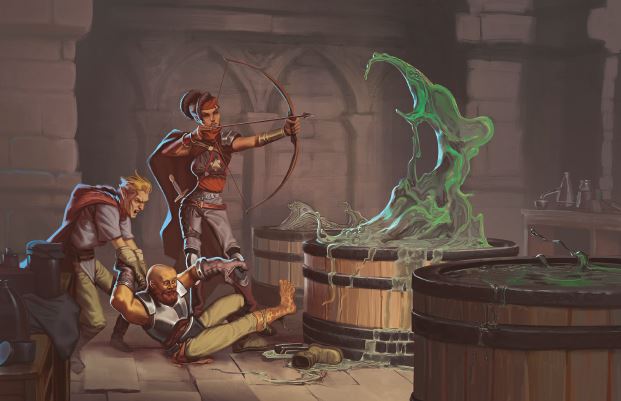
When your gaming group shares stories about their favorite gaming moments, nobody ever says, “Hey, remember that time we stumbled across that orc encampment, and there were precisely the right number of them to fight, so that we felt a little threatened but not really too much?” “Oh yeah, I drank a minor healing potion! EPIC!”
Balance is good. And that means it’s the enemy of perfect. Let it go.
Read all The 4th Pillar articles!
We’ve discussed imbalance and taking your games off the rails. But before we jump into a how-to for all of this, let’s get some disclaimers out of the way. It’s important to know the disclaimers up front rather than as an afterthought. So here they are.
Rule #1: Have a “Session Alpha”
Even before you have a session zero, get together with your group to decide on what kind of world you want to play in and what rules you will use. A text chain will do. This doesn’t even involve rolling up characters, talking about backstory, or doing much of anything mechanically. This is the pitch, the foundation you base the rest of your campaign upon.
This buy-in is the first step to making sure everyone can come to the table and have a good time. Remember that for some people the ability to have a good time is dependent on their ability to memorize and master the rules for the game. If you have players like this, you can try and compensate by allowing them to see some of the building blocks of what you’re putting together or, even better, allow them to build some of them. This brings us to rule #2.
Rule #2: Crowdsource Ideas
Once your group has decided on things like setting, tone, frequency, and expectations for your “off the rails”/“hard mode”/“imbalanced” campaign, ask that every person contribute at least three (or more if they have them) ideas that they’d like explored in the game. It could be anything like a mechanic or narrative layer, or even more granular thoughts such as a scene, an archetype, or a trope.
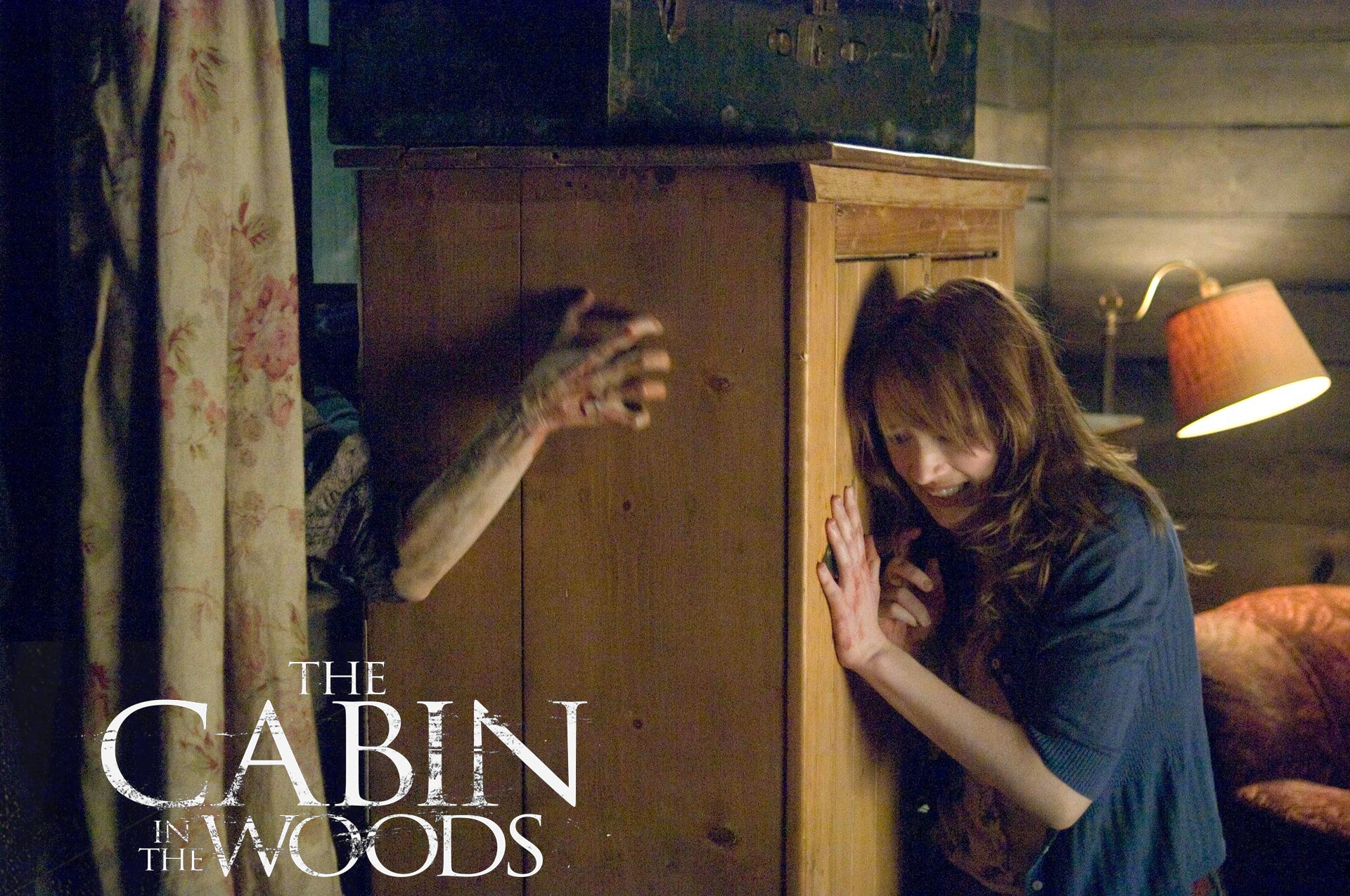
It can be anything from “I want to encounter a zombie-redneck torture family like from Cabin in the Woods,” to “it would be cool if we used alternate death mechanics like Dark Souls,” to “I want to build a base and fill it with doggos to pet.” Just see what they toss your way.
From there you can mash up some (or all?) of their suggestions and build a world together before character generation. This way, the characters that people want to create come even more naturally than if you skip straight to session zero.
Rule #3: Don’t Overdo It
No matter what you agree on or what turns out when planning and running your game, don’t overdo the “off the rails” elements. Remember that “all show” is “no show.” If every scene is high risk, high reward, then everything winds up feeling too over the top, and it gets hard to stay invested. It’s quickly exhausting both for players and the GM.
The same goes for your rulings. You can’t always throw out the guidelines and encounter math, because then there are no rails to actually depart from. You’ve got to measure your peaks and valleys and try and avoid plateaus. It can’t be all gas, no brakes, all of the time though, which brings us to our next guideline.
Rule #4: Never Go Full Dark Souls
No matter how much you love a mechanic, a pantheon of gods, or an onslaught of monsters, they might not always work at your table. The reasons for some of the rules that tabletop games have implemented are simply because they work.
While using some kind of bonfire mechanic to add depth and choice to character death could be cool, having players repeat-play the same world and enemies, respawning verbatim over and over in a tabletop setting is tedious. It’s the reason why things like this work in video games or movies but not in your tabletop game.
I’m using Dark Souls as an example, but this really applies to just about anything you want to draw from. The point here is to be inspired but not to create a facsimile. It won’t work out as well as you imagine, and most games have their own rules/settings for this reason. Just play one that matches if that’s the case. Trying to shove every gameplay experience into D&D’s toolset is a bad idea, but that’s an entire other series for another time.
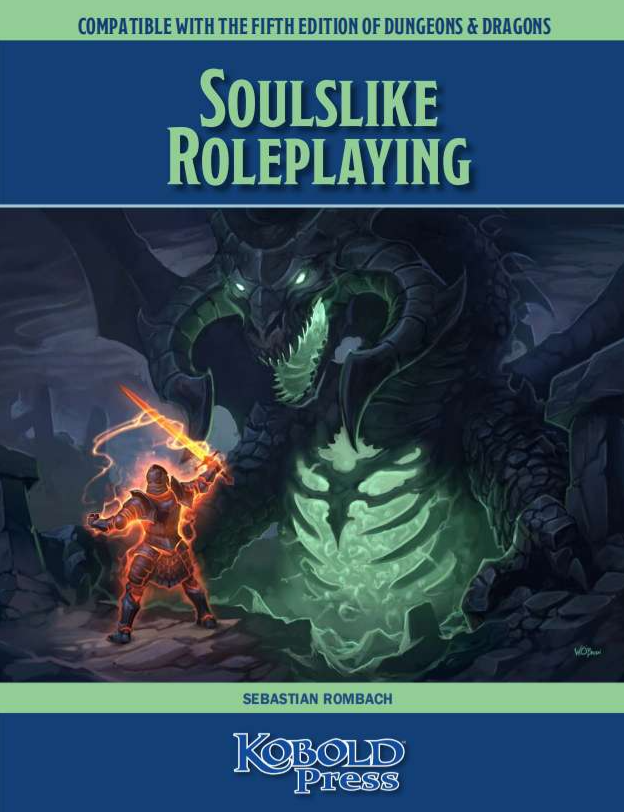
That said, if you want to try a little Dark Souls in your 5E, try Soulslike Roleplaying from Kobold Press!
Rule #5: Adapt and Assess
Sometimes things start out great and everything works as intended. However, even the most well engineered machinery needs oil and maintenance. Check in with each other every so often—players and GM alike—to make sure everyone is still enjoying whatever off-the-rails game you’ve come up with. It’s not a time for airing grievances but for taking the pulse of the game and seeing what, if any, adjustments need to be made.
Yes, I’m aware that most of these tips could apply to any campaign, but they’re also important to games that deviate from the norm. After all, we’re all just here to try and have fun.
Up Next
How to set up your imbalanced campaign—the ground rules for ignoring the rules.
Read more at this site