

Today, we’re taking a look at the new D&D Trapper Ranger subclass out of Heliana’s Guide to Monster Hunting: Part 2. It’s actually not a trap!
Traps and D&D have a storied history. Stretching all the way back to the earliest conceptions of D&D when it was in its proto-wargame form, there were still traps. Because after all, ‘your guy falls into a pit and dies’ is a part of the classic D&D experience. And it only gets better from there.
Read some of Gary Gygax’s most notorious dungeons, and you’ll find rooms littered with traps. They’re often hidden so well you don’t know they’re traps. You might just read aloud the text of a tapestry, and then if a player character gets close, you read further to learn that the tapestry actually holds an acid ooze, and whoever gets close instantly dies, no save, do not pass go, roll up a new character.
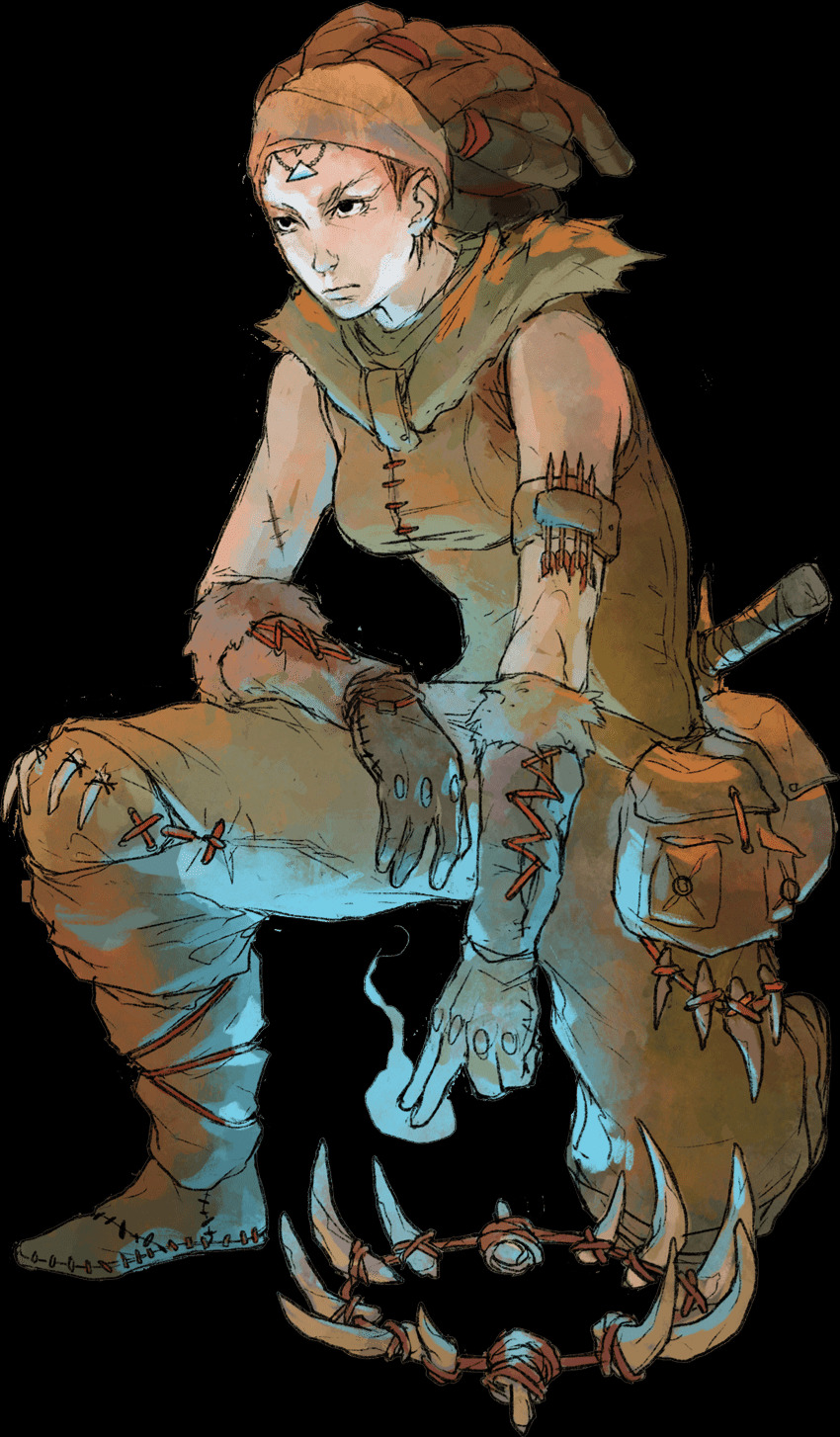
Heliana’s Guide to Monster Hunting: Part 2, now on D&D Beyond, looks to embrace the tools of the trade. After all, the expansion is inspired by Monster Hunter, and a big part of playing that game involves setting out the right kind of traps for the monsters. Whether it be a lightning snare, a toxic gas trap, or so on.
The Trapper Ranger subclass is all about creating traps, both mundane and magical. After all they are meant to be the master hunters. And with the right traps (and a bit of guile and luck) a Trapper Ranger can bring down even the mightiest beast.
The D&D Trapper Ranger’s Traps
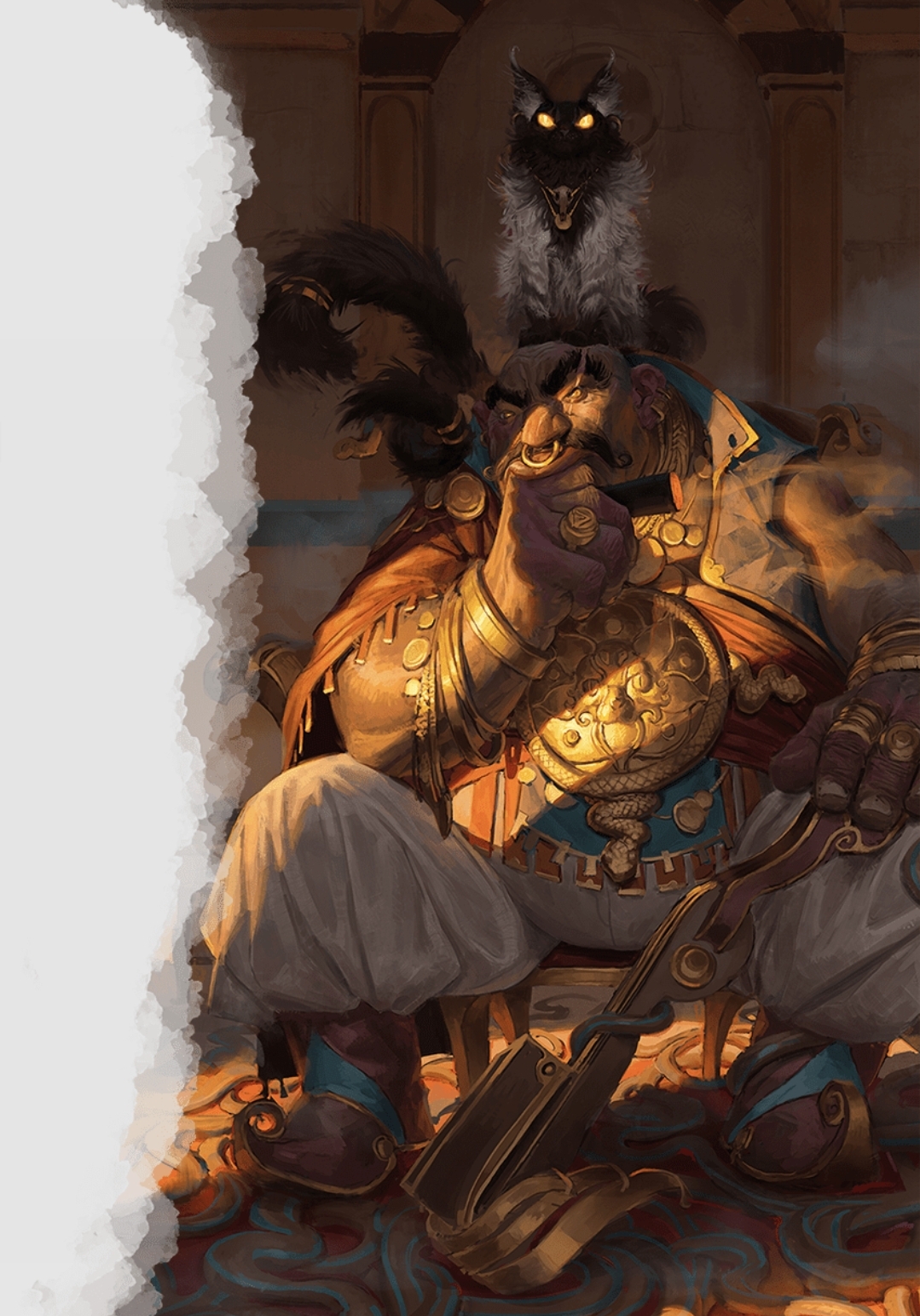
And as you might imagine, most of the subclass revolves around traps. Starting with the core feature of the class, Set Trap, which you unlock at 3rd level. This gives you access to a suite of four different traps at first. But then when you hit 5th, 9th, 13th, and 17th level, you’ll unlock even more specialized traps.
Of course it takes time to make them. And money. Creating a physical trap, like a bear trap or pit trap, takes about an hour (and can be done during a short or long rest) and will cost you some amount of gp in terms of ‘trap materials.’ Magical traps you can only make after you finish a long rest – but you can make up to your Wisdom modifier in traps at a time.

Once you’ve made a trap, you can then deploy the trap as an Action in combat. You toss the trap onto the ground somewhere within 30 feet and it arms itself at the start of your next turn. Anyone can see it. After a minute, you can conceal a trap (creatures use your spell save DC to spot it). So with the right amount of prep time you can litter a battlefield with traps. But even if you’re ambushed, you can still make use of them if you can knock enemies into your traps.
As for the traps themselves, there are plenty of different options. Basic 3rd-level traps include things like the Bear Trap which deals 2d8 piercing damage and immobilizes creatures, or the Solestriker, which creates a 20-foot radius deployable Spike Growth effect.
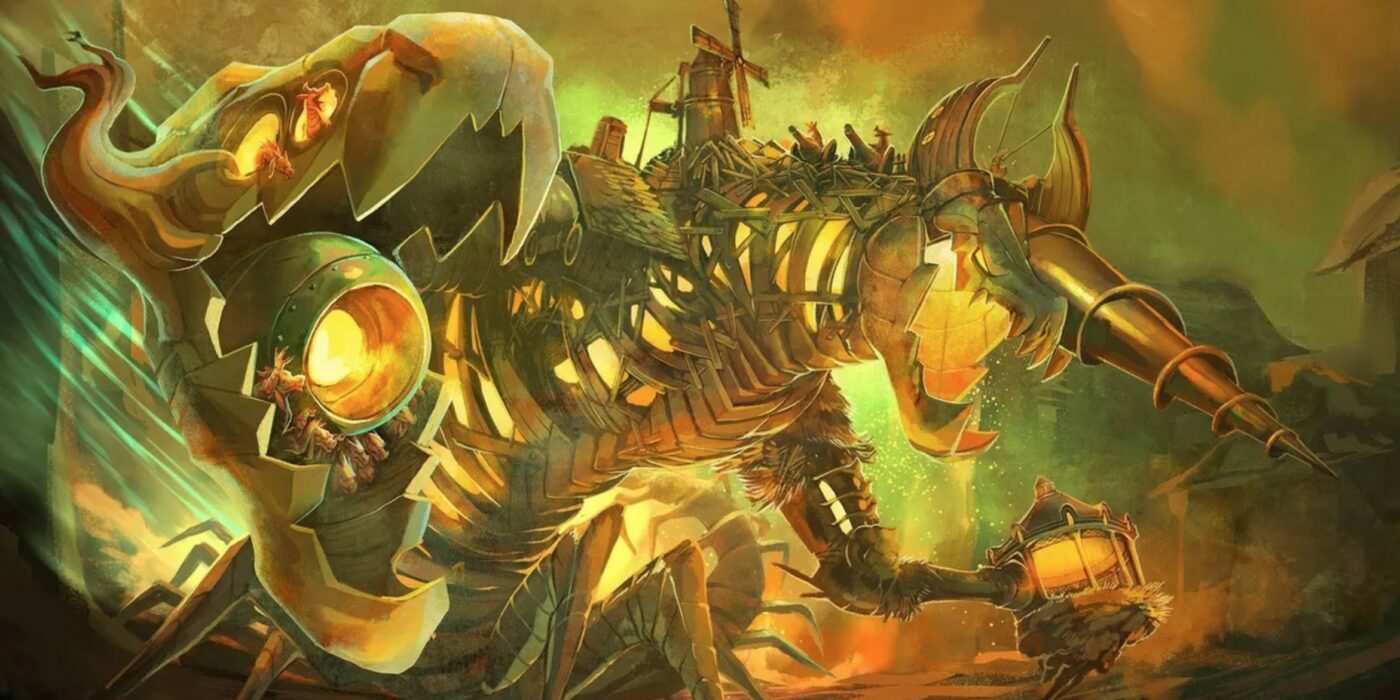
At higher levels, you unlock deadlier traps. Sometimes they’re spell effects, like Confusion (and 3d10 damage) for the Bewilderment trap. Other times, it’s a little more complicated – like the Catapult Trap that flings creatures up to 60 feet in any direction. At the highest level, you can even make a miniature black hole via the gravity well trap, which deals damage and pulls creatures towards the center of the area before it then explodes and knocks everyone prone.
More Than Traps – Other Ranger Features
Of course, you get more than just the custom trap rules for playing a D&D Trapper Ranger. Which is good, because depending on your DM and/or party makeup you might need to make more of an effort to get their benefits.
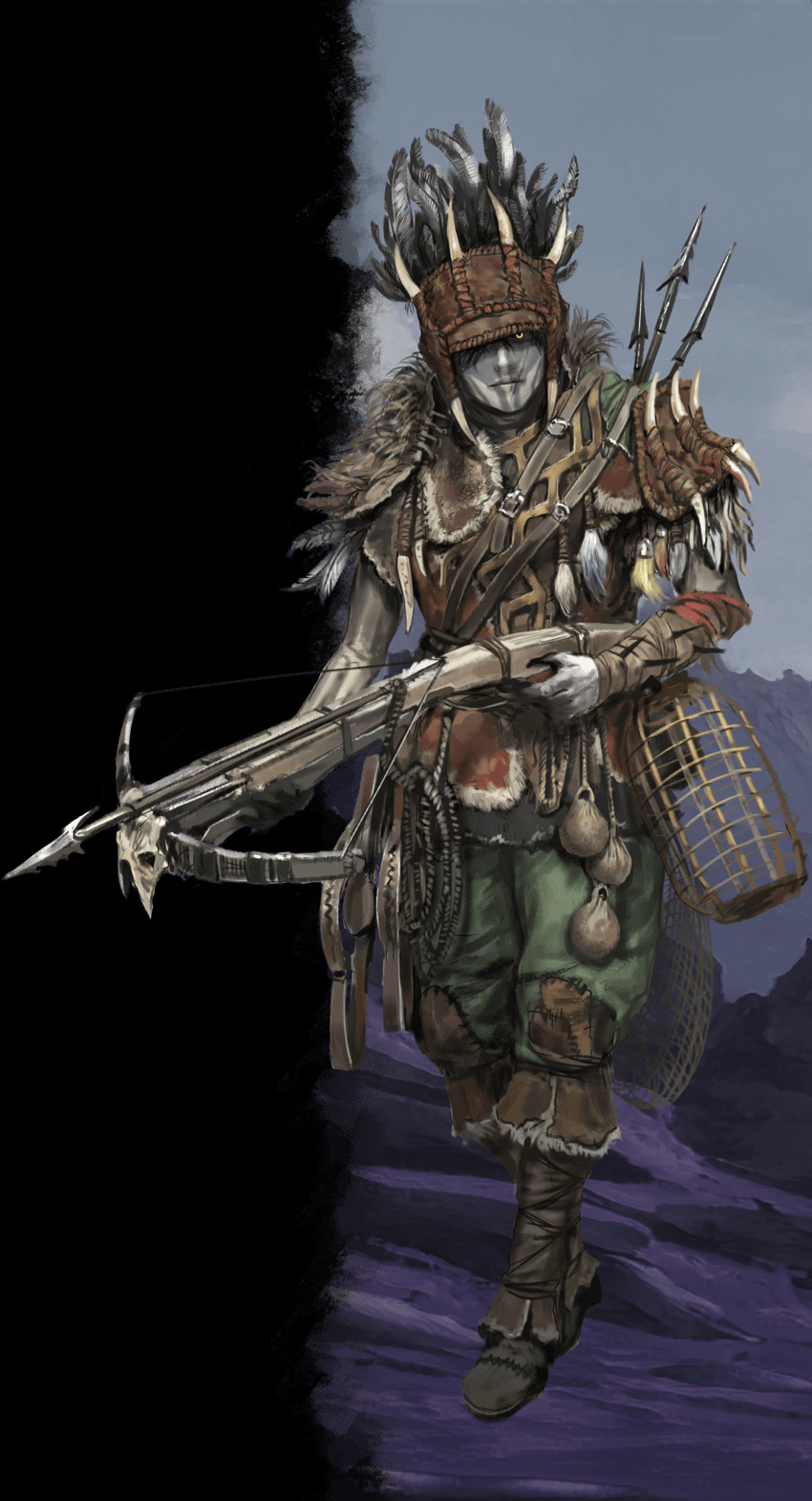
You also gain pseudo-expertise with Thieves’ tools when interacting with traps, thanks to Trapper’s Tools, and then Trapped Weapons lets you augment one of your weapons (or twenty pieces of ammunition) to deal 1d8 extra acid, cold, fire, or lightning damage. It scales up to 2d8 extra damage at 11th level.
High Level Abilities
At higher levels you gain more abilities themed around hunting. At 7th-level, Tracker lets you double your proficiency bonus when trying to find or follow tracks, which is a very narrow ribbon. But you also get Trapper’s Avoidance, which gives you Evasion against traps. Personally I think this level is a wash, but you get better traps, so it’s not a total loss.

Then at 11th level, Leave No Trace gives you a number of extra abilities. For one, you can use a 1st-level spell slot to deploy a trap and make it invisible immediately (giving creatures disadvantage on saves made against it). You also get the Invisibility spell added to your list and can cast it once per rest for free.
The D&D Trapper Ranger subclass caps off at 15th level with Booby Trap. Contrary to what you might think, this isn’t a trap you lay for an enemy, but rather “you trap your own body against unexpected demise.” The logic is hilarious, and the effects are kind of cool, actually.

You pick an effect that you trap yourself with. Which is a strange sentence but as an example, you can arm yourself with a Defibrillate trap, which shocks creatures that hit you with melee attacks and lets you move up to 10 feet without provoking opportunity attacks. And if you hit 0 hit points, you instead drop to 1 hit point and then immediately get an extra turn.
Or you can use a Dissolve trap, gaining a coating of acid that damages creatures that hit you and if you are reduced to 0 hit points, explodes in a damaging aura around you. The Entomb trap deals cold damage to creatures that hit you. If you are reduced to 0 hit points, you are entombed in a block of ice. Or go for Self Destruct and immediately explode in a 14d6 conflagration when reduced to 0 hit points.
All in all, a fun time for Rangers!
Don’t Miss:

Read more at this site