

The Couatl Herald Fighter out of The Griffon’s Saddlebag: Book One blends combat prowess with mercy and kindness to intriguing effects.
Fighters get the short end of the stick sometimes. There’s no denying that; part of it is because they’re designed to be the simple, straightforward class. If you just want to hit things with your axe, then the Fighter is the class to play. Especially the Champion Fighter, which is about as stripped of bells and whistles a class can be (while still also being extremely fun and playable). And it’s great, because that’s kind of where new players are expected to land. If you’re a more experienced player taking on a Fighter, you might hope that some of the other subclasses give you more options to play with.
But while that’s something that WotC doesn’t always address with the skill or flair that players might wish they would (looking at you Banneret Fighter), it is something that frequently pops up in the community. As a player. As a DM. Or in the case of the Griffon’s Saddlebag: Book One, as a third-party designer. Because one of the new subclasses is the Couatl Herald Fighter, and it gives the Fighter something to do besides hit things with a sword.
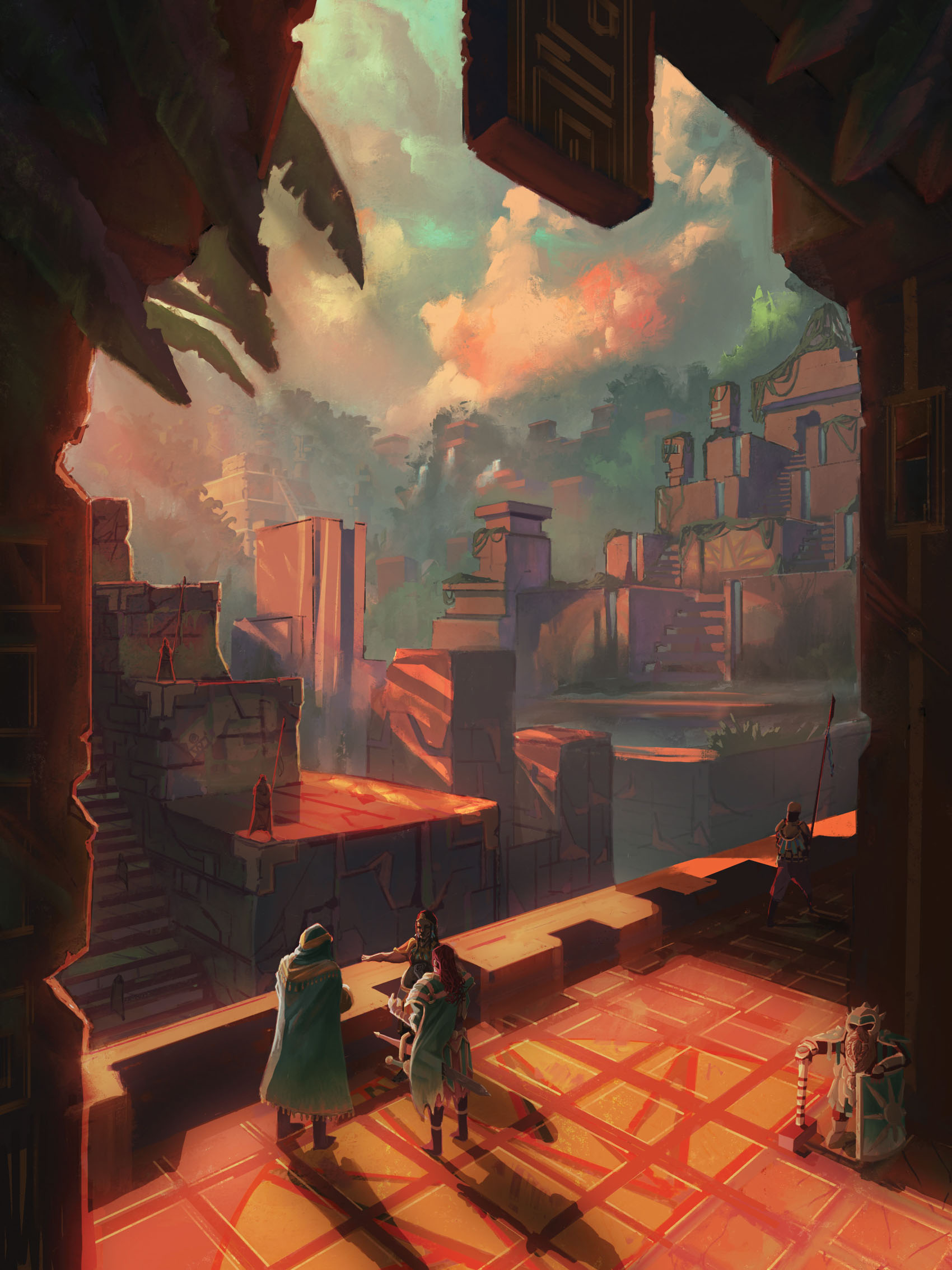
Though, it still very much excels at hitting things with a sword.
Couatl Herald Fighters are martial warriors that once belonged to an order dedicated to neutralizing threats without resorting to deadly force. In The Griffon’s Saddlebag, they’re written to be a part of the once-shining city of Hearth before it fell to ruin.
Their namesake creature, the couatl, is an “embodiment of prophecy and protector of divine secrets.” These feathered serpents with rainbow-hued wings are manifestations of divine edicts by righteous gods. They’re there to ensure that fate enfolds as it should – and as is often the case with celestial beings, typically protecting creatures from evil acts.
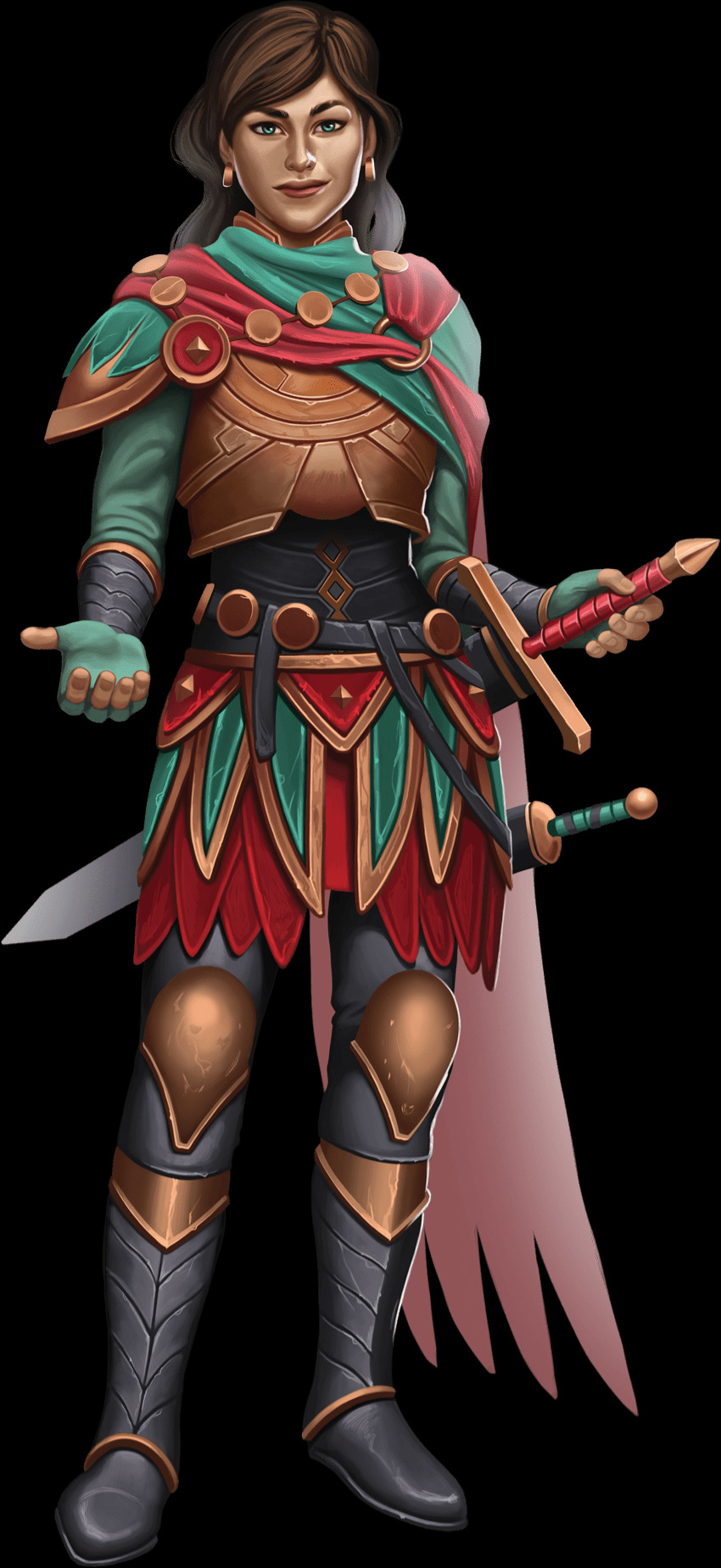
The Couatl Herald Fighter seeks to emulate that by bringing mercy to those they take up arms against. Just because a foe has been defeated, doesn’t mean they have to be slain. Although sometimes the greatest mercy you can show someone is a quick and clean end. All of this is wrapped up in the core subclass feature, Agent of Mercy, which you gain at level 3.
With this feature, you gain a wellspring of Mercy Dice that you can use to fuel your merciful powers. Basically they’re a pool of dice you can spend on different effects. They start at a d6, and then go up to a d10 by the time you hit level 18. You start with three Mercy Dice, and gain up to five by 18th level, and you regain them all whenever you finish a Short or Long Rest, so you’ll have plenty of uses.

Mercy Dice
What can you do with these Mercy Dice? Well, for starters, whenever you make an Insight, Performance, or Persuasion check, you can spend one or more Mercy Dice to add them to the roll. You can also use a Bonus Action and spend a Mercy Die to gain some Temporary Hit Points. Or you can spend your Mercy Dice to deal extra Radiant Damage whenever you hit a creature with a melee weapon or unarmed strike. Yeah the ludonarrative dissonance is strong with that one.
You also gain One of the People, a feature that gives you proficiency with Insight and Persuasion. It also lets you elect to knock a creature out whenever you reduce it to 0 hit points with a ranged or melee attack. Instead, it is reduced to 1 hit point, and then rendered Unconscious until it either finishes a Short Rest, it regains hit points, or someone administers a DC 10 Medicine Check.
Higher Level Mercy – A Surprising Amount Of Bonus Damage Effects
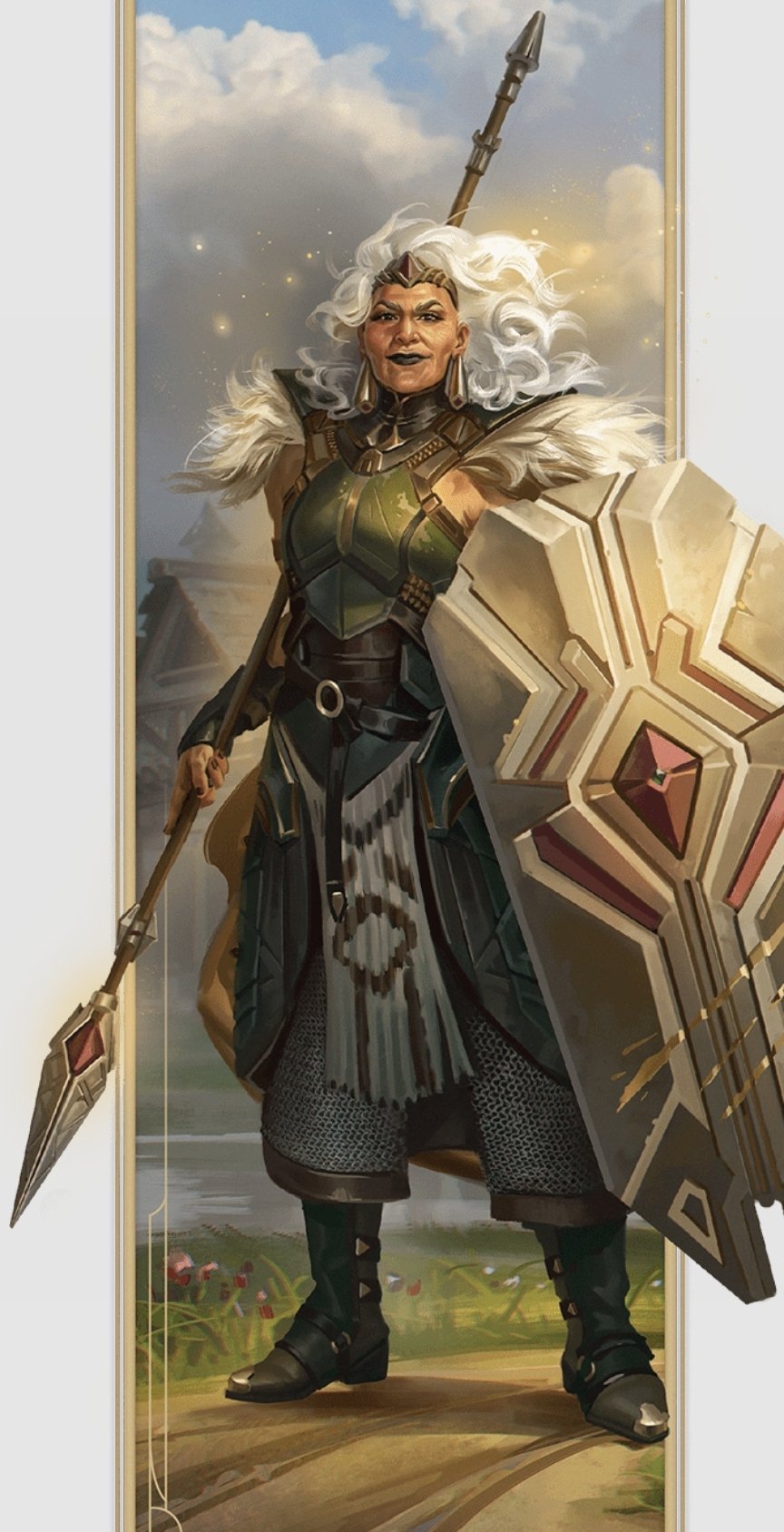
At level 7, you gain Peacebringer, which does give you the Calm Emotions and Sanctuary spells always prepared, and lets you cast them with your Charisma score (because if you are picking up on some serious Paladin vibes, you’re not wrong here) once each for free per Short or Long Rest. But it also lets you deal Radiant damage instead of normal damage whenever you hit a creature with a weapon or Unarmed Strike, which is very funny for a feature named Peacebringer.
Level 10 And Above
At level 10, Calm Mind gives you an additional way to regain your spent Mercy Dice. Whenever you talk your way out of a violent situation or persuade someone to stand down or surrender, you regain Mercy Dice. I really like this mechanic, because it incentivizes the player to do the thing that the subclass says they should be doing, despite the bonus damage.

At level 15, Paragon grants you some Warlord-like abilities (which is how you know this was a 3rd-party designer). You can spend a Mercy Die and a Bonus Action to grant Temporary Hit Points to an ally, as well as giving them a Reaction that lets them move up to half their speed and make one attack. Which is amazing. Like that’s all you need for a Warlord is this feature and then the ability to heal your allies or buff them with an encouraging shout. But we won’t dwell on it.
Especially since the capstone for the subclass goes right back to dealing damage. With Heraldic Enforcer, you become a bastion of merciful magic, and can use your bonus damage effect once per turn without expending a Mercy Die (freeing you up to use the feature an additional time during each of your turns). And now you knock creatures out for up to 8 hours.
All in all, this subclass tries to find the line between Paladin and Warlord while still being a Fighter. If you want to play more of a support-oriented Fighter, I think this one has a lot to offer. So, be sure and check it out, as well as the other eleven subclasses in The Griffon’s Saddlebag: Book One.
Couatl Fighters – For When You Want To Be A Paladin Without Being A Paladin!
Don’t Miss:

Read more at this site