

Do you spend hours theorycrafting your way into Shillelagh and True Strike greatness? The Griffon’s Saddlebag has the subclass for you.
It goes without saying that if you give players a tool, they will use it to extremes to try and figure out how busted they can make it. That’s just how it goes – there’s a quote attributed to Civ IV designer Soren Johnson that goes something like, “given the opportunity, players will optimize the fun out of a game.”
People just want to make objectively the best choice because that’s what the numbers say, even if those numbers are, say, the difference between 5 damage per round on average and 7 damage per round on average because it means that if the goblin has 11 hit points, if you’re doing 7 damage, you kill it in two hits compared to the 5 damage per round peasant who needs three hits to do the same thing.
But players and designers alike often try to mix the fun back into optimization. Especially when you know what the levers are – and when you know that one of the optimizing tools is often kinda janky and sucks to deal with. Case in point, the Unbroken Circle Druid, which is both a fun thematic class, but also is a design meditation that asks “what if Shillelagh was much more usable than it is.”
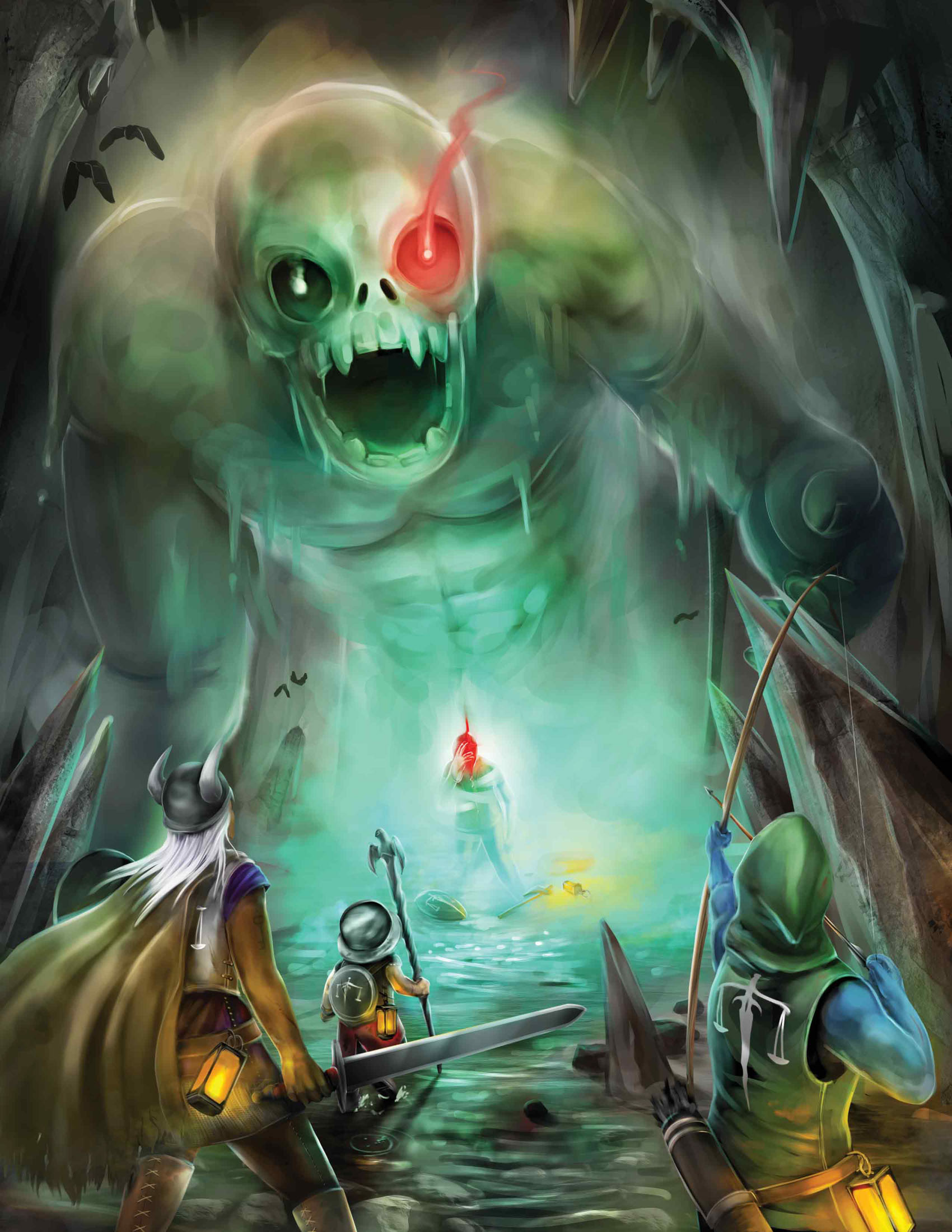
The Unbroken Circle Druid – “Lookout! He’s Got A Stick!”
If you’re unfamiliar with the spell Shillelagh, you’ll need to know all about it for the purposes of this subclass. It’s one of two big melee cantrips in 5.5E – it lets you enchant a staff of club to become a magical weapon that deals 1d8 force damage, which is already nice.
But what really makes it sing is that it can be wielded using your spellcasting ability (usually Wisdom, but you never know), so you can add that to attack and damage rolls. It only lasts 10 rounds, but it doesn’t require concentration. So a lot of people will optimize the fun out of being caught unprepared and just spend the time to say “I recast shillelagh” every minute or so when they’re in a threat environment. And that’s all before we get into weapon juggling and free hands needed for somatic and material components.
Shillelagh is the spell that makes people go “look out, he’s got a stick!” – a line taken from what is quite possibly the best horror comedy hospital show you’ll ever put your eyeballs on. In the scene in question, Dr. Rick Dagless, played by author, dream weaver, visionary, plus actor Garth Marenghi (Matthew Holness) wades through a whole hospital of doctors armed with little more than a stick. Which is exactly what the Unbroken Circle Druid out of The Griffon’s Saddlebag: Book One will let you do.
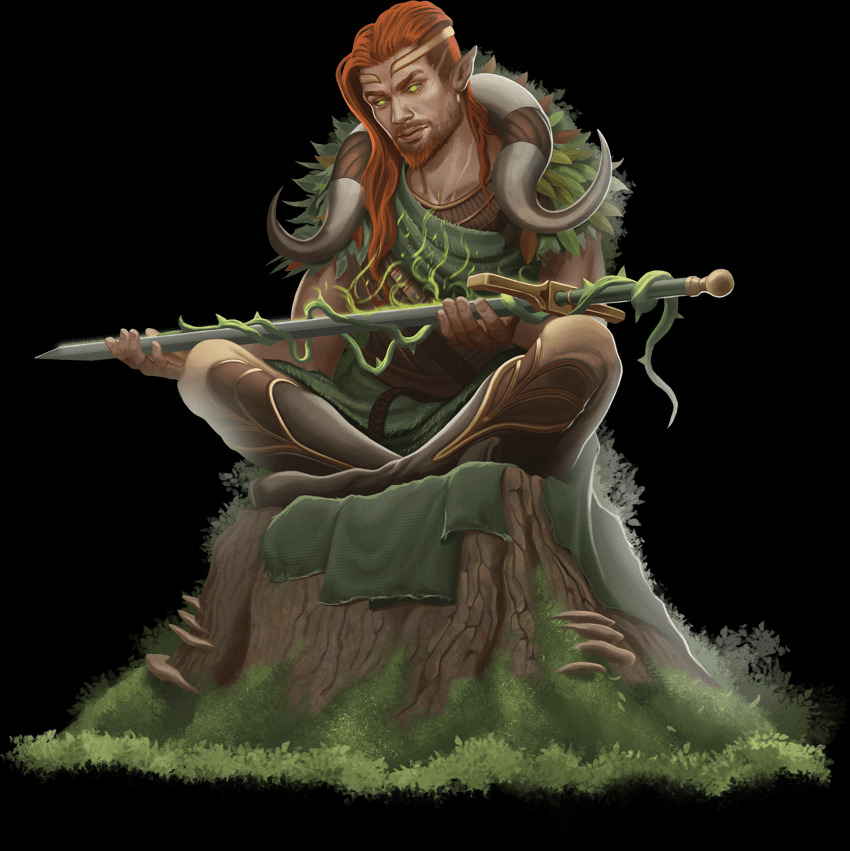
Seriously though. The first and foundational feature of the subclass is Improved Shillelagh. This gives the spell a fairly significant upgrade. One that you may well have already experimented with homebrewing: it lets you imbue any weapon with nature’s power, letting you use a greatsword or whatever and keep it’s normal weapon die, instead of a d8.
The in-world justification is that the Unbroken Circle is an order of Druids who have taken up arms to defend the wilderness. They “harness the fury of nature” (and martial melee weapons) to protect nature’s sacred beauty. And mechanically, this opens up a whole world of possibilities. Especially for multiclass characters who might make use of weapon mastery properties and more.
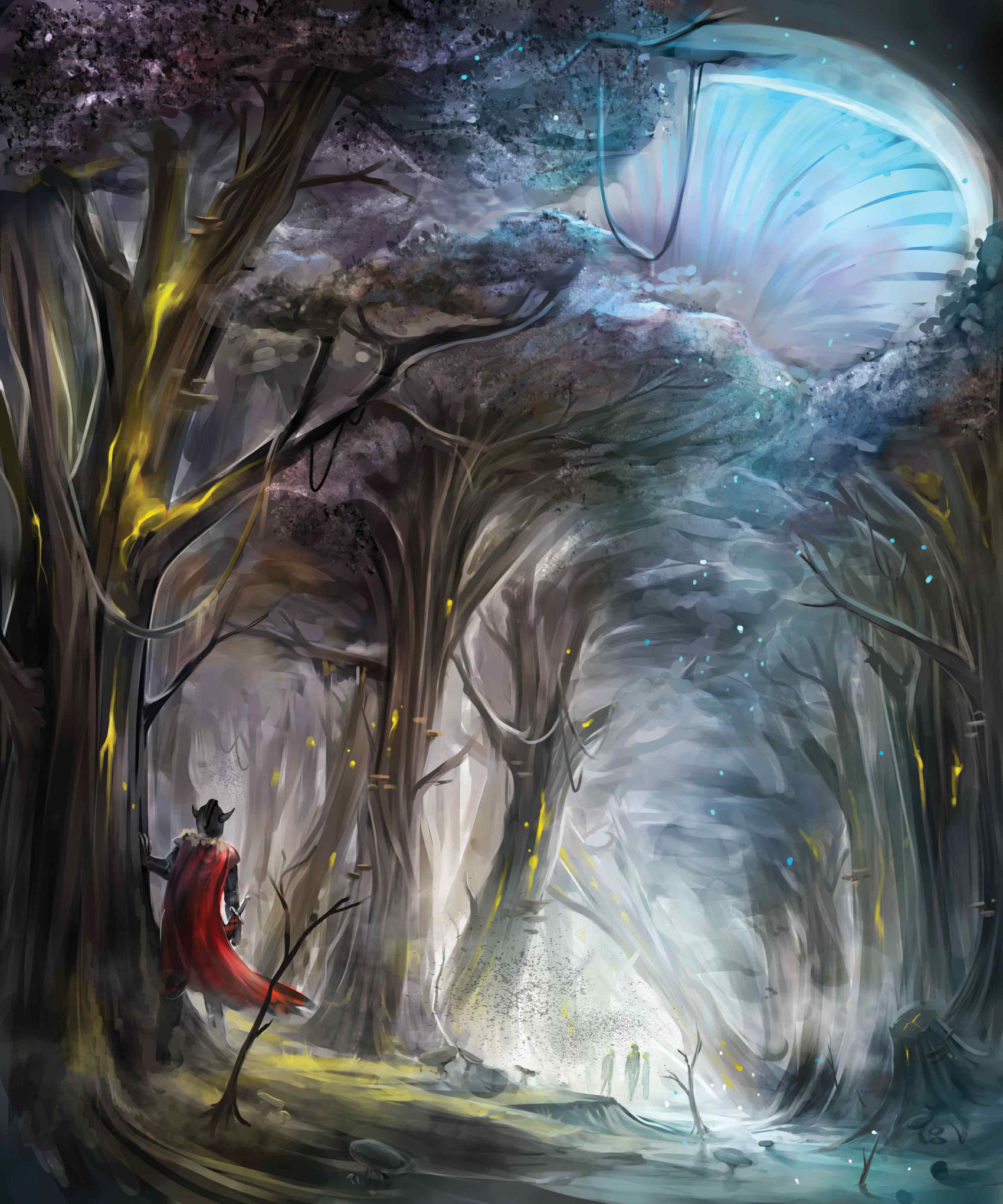
But you get more than that at 3rd level. You also get a list of Unbroken Circle Spells, which unsurprisingly includes Shillelagh as well as True Strike and two different “cast on weapon hit” spells, Ensnaring Strike and Shining Smite at 3rd level. At higher levels, you get fewer bonus spells than a typical subclass, but they’re all bangers for a gish: Haste, Fire Shield, and then Flame Strike, which is less gishy but still nothing to sneeze at.
The Unbroken Circle Druid is all about mixing it up in melee. And the final level 3 feature, Wild Recovery, supports this, since Druids need a little bit of a boost to hang with the big dogs as frontline fighters. In this case, you can spend Wild Shape to heal yourself for 2d6 + Druid Level hit points as a Bonus Action. That healing scales as you level up, so it stays relevant.
Mastering Your Shillelagh Takes Higher Level Powers

At higher levels you can master your shillelagh-stoplaughing-if you stick (pun intended) with Druid instead of multiclassing out to whatever nightmarish build you can concoct from the level 3 features alone. Fittingly enough, level 6 gives you Shillelagh Mastery, a feature that gives you multiattack with your Shillelagh. You can attack twice with it when you take the Attack Action, plus you gain a bonus to attack and damage rolls that scales as you level up, guaranteeing you the accuracy of a +3 weapon eventually.
Level 10 brings the War Druid feature, which does the only other thing missing on the gish greatest hits playlist: you can replace an attack with a casting of a Druid cantrip instead. Which means you can also cast True Strike whenever you attack now. You’ll have to do your own math to see which path gets you to this feature fastest. But it’s not a bad pace to be able to attack twice and one of those attacks is a magical attack cantrip for that scaling damage bonus.
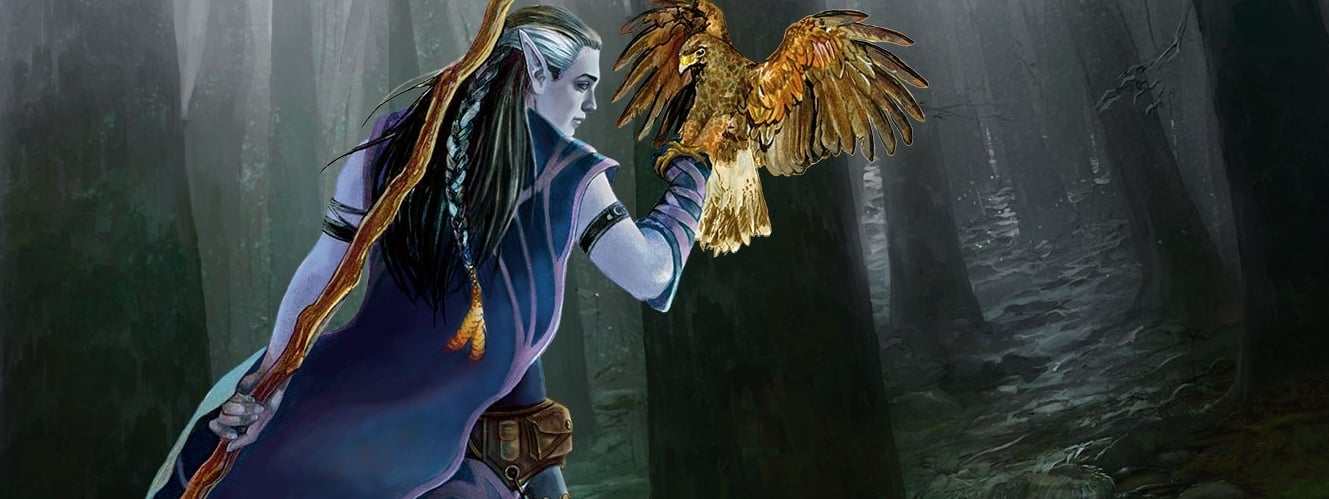
The subclass caps off with Nature Armor, a surprisingly passive feature. It’s still helpful for your melee functions; with this feature you’re always under a Barkskin effect. You also gain Temporary Hit Points at the start of each turn, just for free. Which is great for anyone, but especially needed if you’re only mixing it up with a d8 hit dice while your Ranger and Barbarian buddies have d10s and d12s.
All in all there are plenty of much more broken builds out there than the Unbroken Circle Druid. I think this one is a boon for anyone that wants to play around with spells. It does exactly what it sets out to do, and it either is your cup of tea, or it’s the worst thing to hit your table, no two ways about it. Mechanically, I think it’s fine, you know?
Would you let a Druid of the Unbroken Circle play at your table?
Don’t Miss:

Read more at this site