

Sometimes you just want to really come out swinging. If you want to run a higher-powered campaign, try one of these five house rules.
D&D has a clear and defined power curve where players steadily get more abilities at a predictable rate. But what if you want to throw any semblance of balance out the window?
To be fair, it’s a lot of fun. There are plenty of reasons to want to play in and/or run a higher powered campaign. For one, it lets you use more of the toys in the toybox, and earlier. After all, what’s the fun of having demon lord and deity stat blocks if you never get to use them? If you want to tell an epic story that feels like a myth or just, y’know, “fantasy superheroes” you may want to pull out all the stops. And if that’s the case, here are some house rules to try.
High Powered Stat Rolls
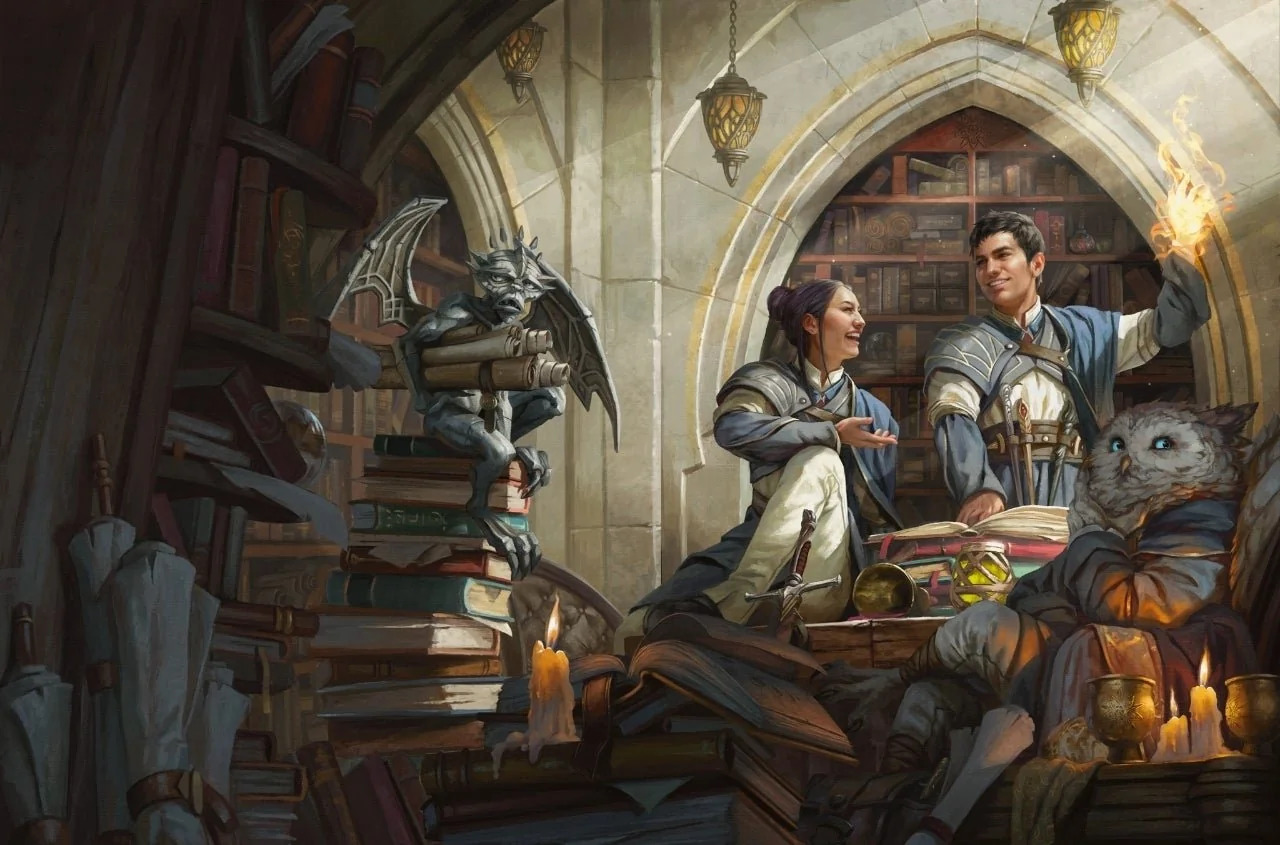
High powered games mean starting with higher than average stats. And one way to guarantee that is to give people a way to roll stats where the weight of how the dice fall is a little more towards the powerful end of the spectrum.
There are many ways to do this. But a few favorites include: roll 5d6 and drop the lowest two dice for each stat. Roll 4d6 and reroll 1’s (or 1’s and 2’s) and then drop the lowest die. Roll 4d6 and keep all the dice. Basically anything that will push those scores up. I guess, if you don’t like rolling, you could do a point buy with a higher than normal score.
Bonus Feats For All
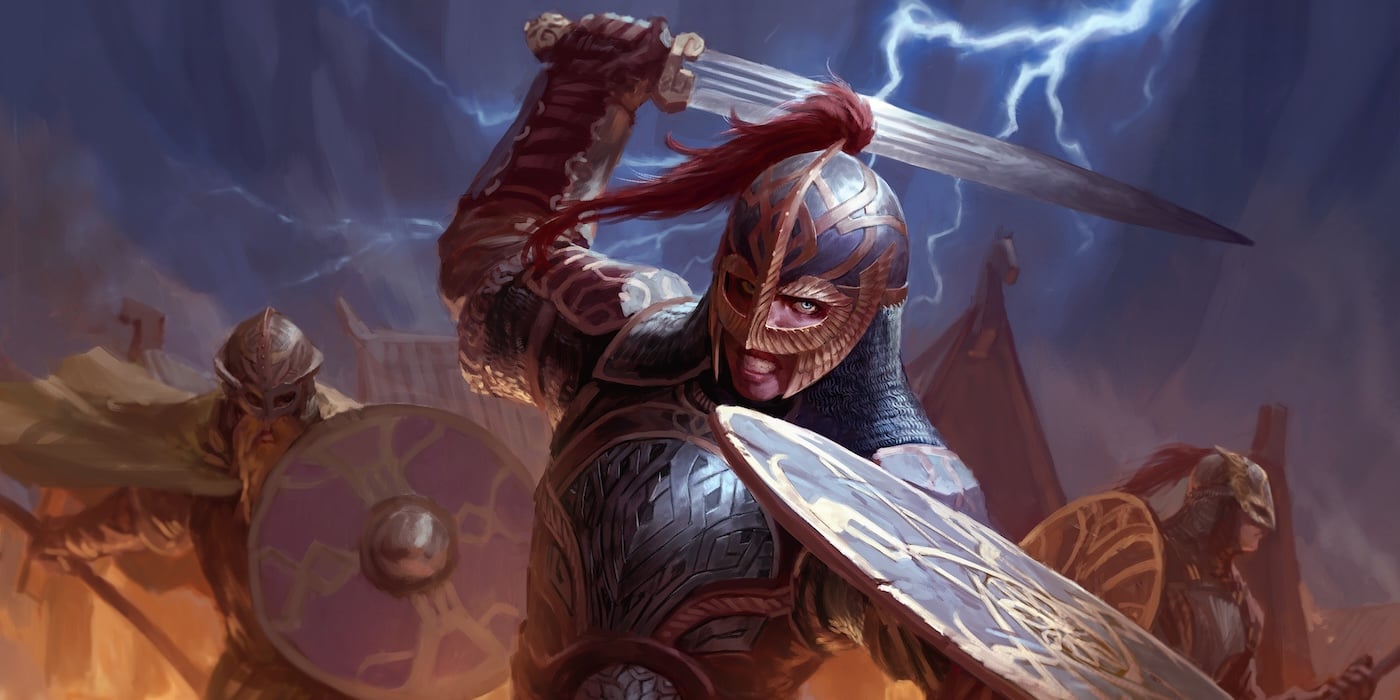
One easy way to increase the overall power level of your game is to give everyone more stuff. And an easy way to do that is to give everyone a bonus feat at 1st level. Or throughout their character advancement.
It’s up to you to figure out what pacing feels right for the kind of adventures/campaign you want to run. But giving everyone an extra Origin Feat isn’t a bad start. Nor either is saying “you get Feats every 3 levels” instead of 4.
Free Ability Score Increases
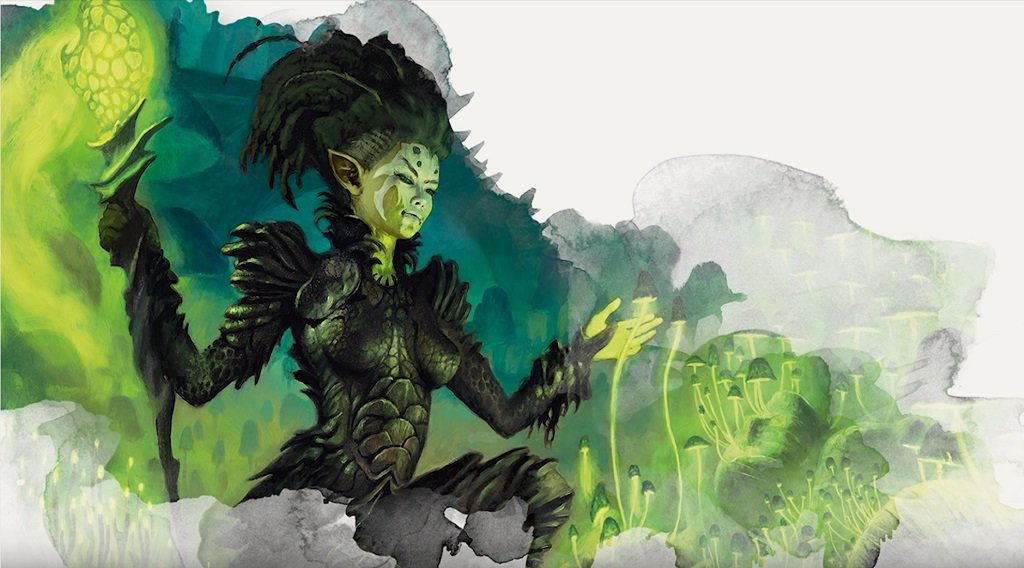
Of course if you hand out Feats a little more frequently, people are likely to pick up the Ability Score increase option (unless they’re close to maxing something out anyway). But one thing you can do to kind of alleviate that is to offer free ability score increases any time a character would pick up a feat. Maybe it doesn’t even have to be equivalent (+2 or +1/+1) you could just do an extra +1 any time they pick up a Feat. Again, the pacing is all you.
Start Off With Magic Items

A less “permanent” way of starting your campaign off with a higher power level is to just give everyone a magic item, either at random or picked bespoke for each character, right from the start. Especially if you go with like a Rare or higher category item. These are frequently where the higher end stuff lies, and you get to have the fun of having it right away.
And since the power is tied to an item, it’s something you can kind of balance for a little easier on the fly.
Gestalt Characters
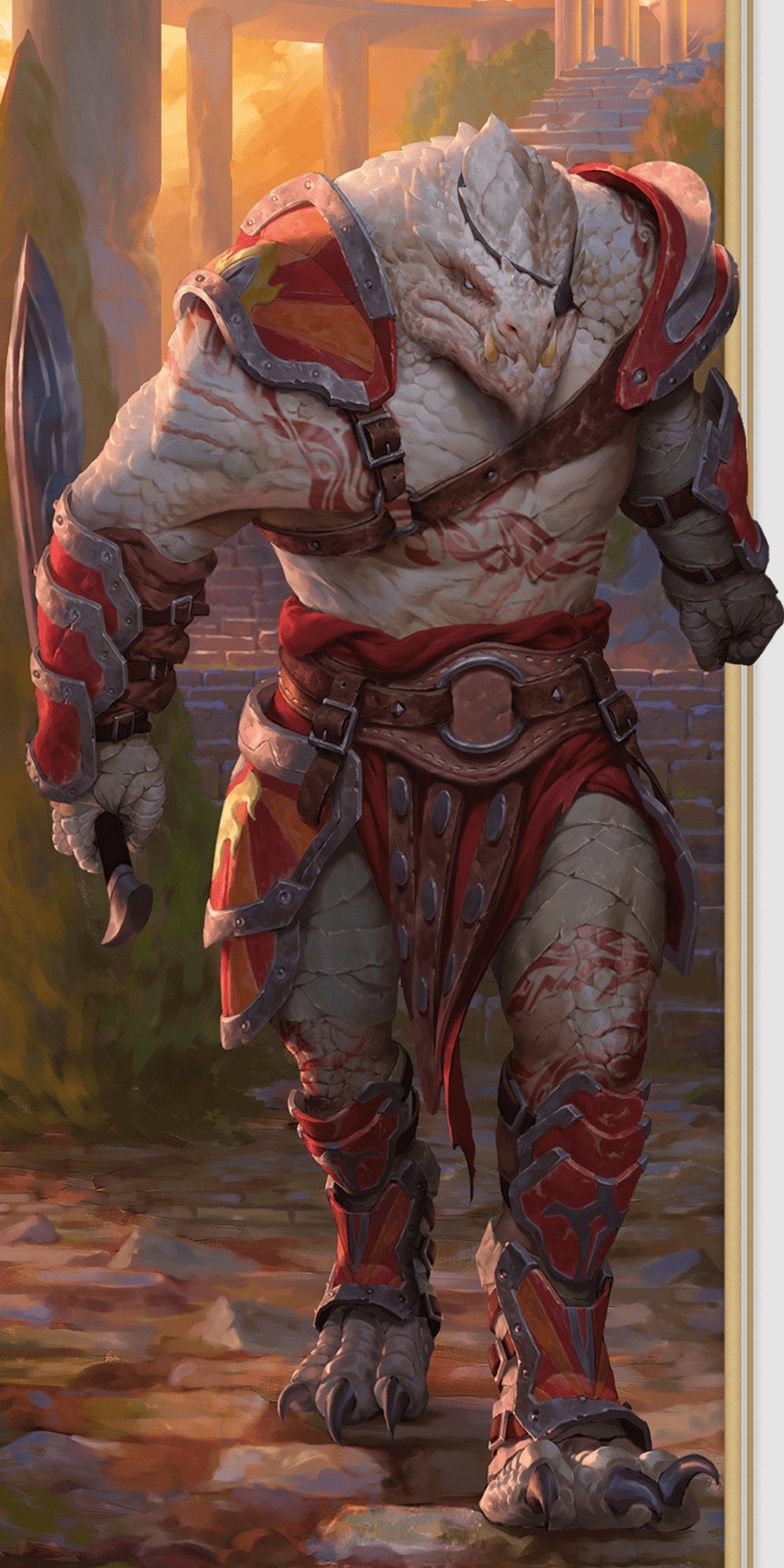
On the opposite end of the “reasonable” and “easy to balance” spectrum is the idea of a “gestalt character.” This is a house rule concept that’s been around since 3.X edition at least. The idea is that you are a “gestalt” entity taking basically two classes at once.
So if you were a 4th level character, you might have 4 levels of Barbarian, and 4 levels of Sorcerer or whatever. You pick the best features of both worlds. So you’d take the Barbarian’s d12 hit dice but the Sorcerer’s saving throw proficiencies, and so on. It’s an extremely over-the-top way to play D&D, but if you like having gonzo fun, this is a great way to do it.
What are some of your favorite house rules for playing with power?
Don’t Miss:

Read more at this site